Backpacking · Road trips
U.S. National Parks
From the American Alps of the North Cascades to Bryce’s hoodoos — permits, routes and honest logistics.
34 stories
National Parks
Rugged, remote and wildly underrated, North Cascades National Park is one of the most dramatic landscapes in the contiguous United States. Nicknamed “the American Alps,” it is defined by jagged peaks, massive glaciers, turquoise lakes, alpine meadows and some of the steepest trails you’ll find anywhere in the country.
With around 300 glaciers and 300 lakes, North Cascades is the most glaciated region in the U.S. outside of Alaska — and yet it remains one of the least visited national parks in the Lower 48. More than 90% of the park is designated wilderness, making it a dream destination for hikers, backpackers and anyone looking to escape modern life and reconnect with nature.
I visited in mid-July for a 4-day solo backpacking trip of high-mountain scenery, challenging hikes and an unforgettable overnight at Sahale Glacier Camp. This guide covers everything you need to know — from logistics and permits to a detailed day-by-day itinerary.
North Cascades is one of the few national parks with no entry gate or entrance fee. To park at most trailheads, though, you’ll need either a National Park Pass or a National Forest Pass. Both can be bought at outdoor retailers like REI, the Newhalem Visitor Center or the Wilderness Office in Marblemount.
Highway 20, the North Cascades Highway, is the only paved road through the park. Many of the best hikes branch off long, narrow dirt roads that often need high clearance or 4-wheel drive. Because there is only one road, the park is often closed by snow in winter.
Hiking here is no joke. The Cascades are some of the steepest mountains in America, and even a short hike can pack serious elevation gain. Train ahead of time, bring trekking poles, and plan for heat, sun exposure and long climbs.
Despite the rumours, there are no grizzly bears currently living in the park — only black bears. Other common sightings include elk, moose, marmots, pika, mountain goats, bighorn sheep, coyote, lynx, bobcats and otters.
The park has three areas: the Lake Chelan National Recreation Area in the south, the Ross Lake area in the east and the North Cascades Complex, which makes up the remaining mountains. Good base towns include Bavarian-styled Leavenworth, south of Lake Chelan, and old-west Winthrop on the east side, with lodging such as Sun Mountain Lodge and Methow River Lodge. Twisp and Mazama are smaller options closer to the park.
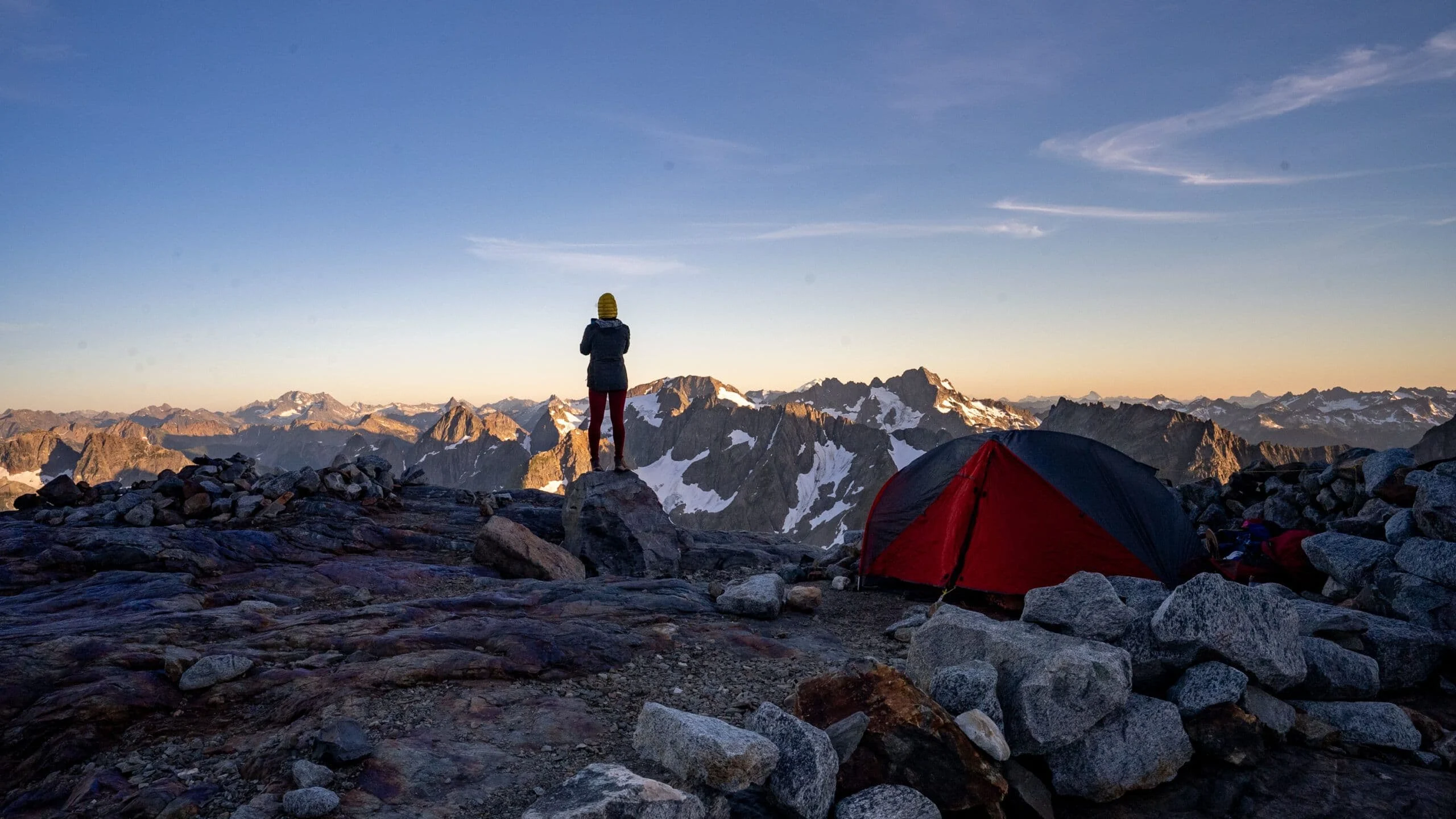
Inside the park, Ross Lake Resort has 14 boat-access-only cabins that book up well in advance. Colonial Creek Campground has lakeside views of Diablo Lake, and Newhalem Creek Campground near the visitor center is close to easy trailheads. If you can get an overnight permit at Sahale Glacier, you can camp beside a glacier at one of the highest campsites in the Cascades.
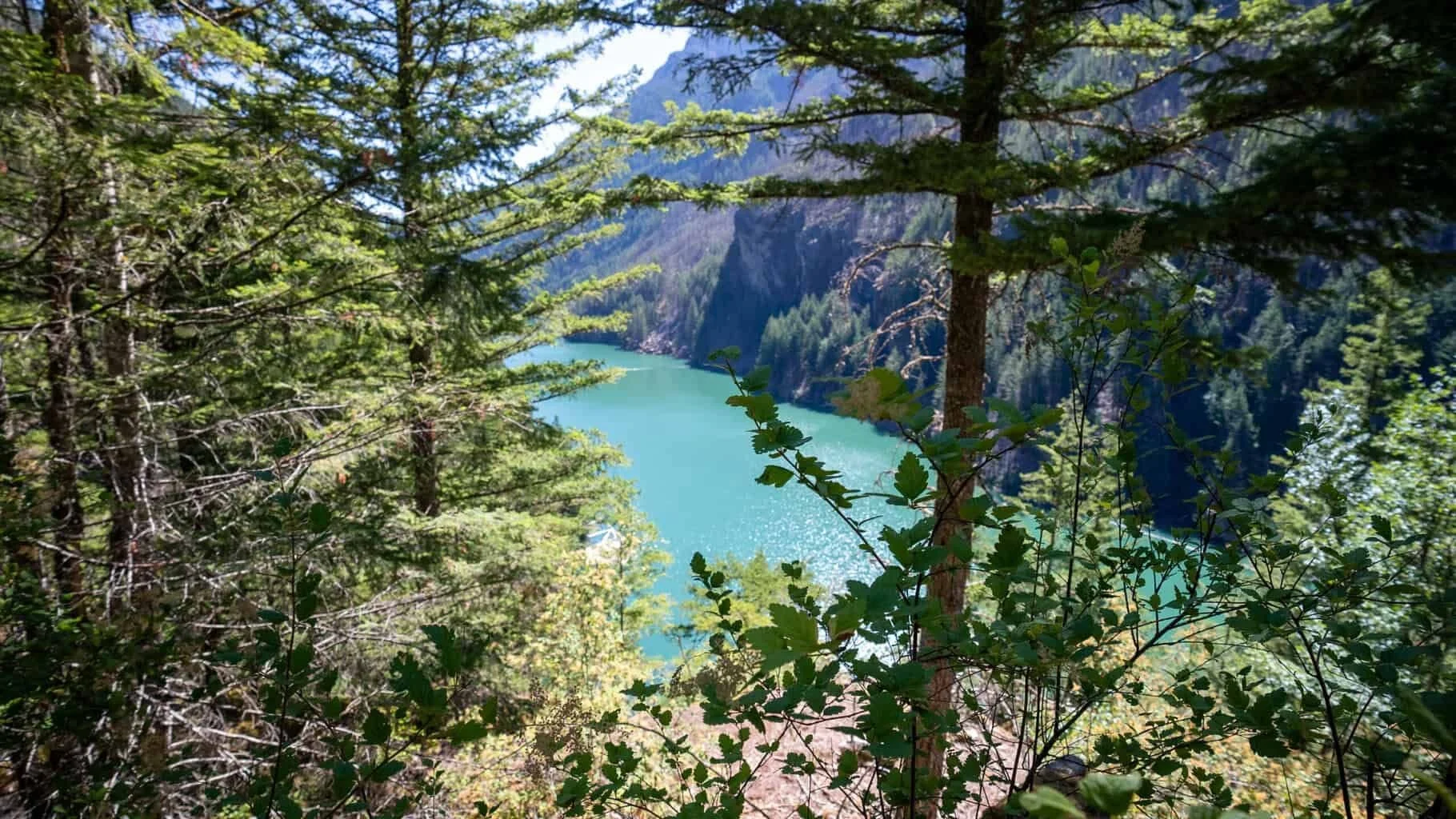
Entering from the east, Highway 20 delivers immediately: Washington Pass Overlook, Ross Lake Overlook, Diablo Lake Vista Point and Gorge Lake Overlook. The turquoise lakes are worth every stop — though Ross, Diablo and Gorge Lakes are man-made, part of a hydroelectric system that supplies about 20% of Seattle’s power.
Stretch your legs on the Blue Lake Trail near Winthrop: 2.2 miles round trip with about 1,000 feet of gain, ending at a brilliant alpine lake ringed by peaks. Then hike the Diablo Lake Trail, 7 miles round trip through old-growth forest, especially beautiful at sunset. Head back to Winthrop for dinner.
Camping at Sahale Glacier is the crown jewel of the trip. All backcountry camping needs a permit — reserve on recreation.gov or pick one up at the Wilderness Office in Marblemount (it closes mid-day for lunch). Bear canisters are mandatory and can be rented there or at the Newhalem visitor center.
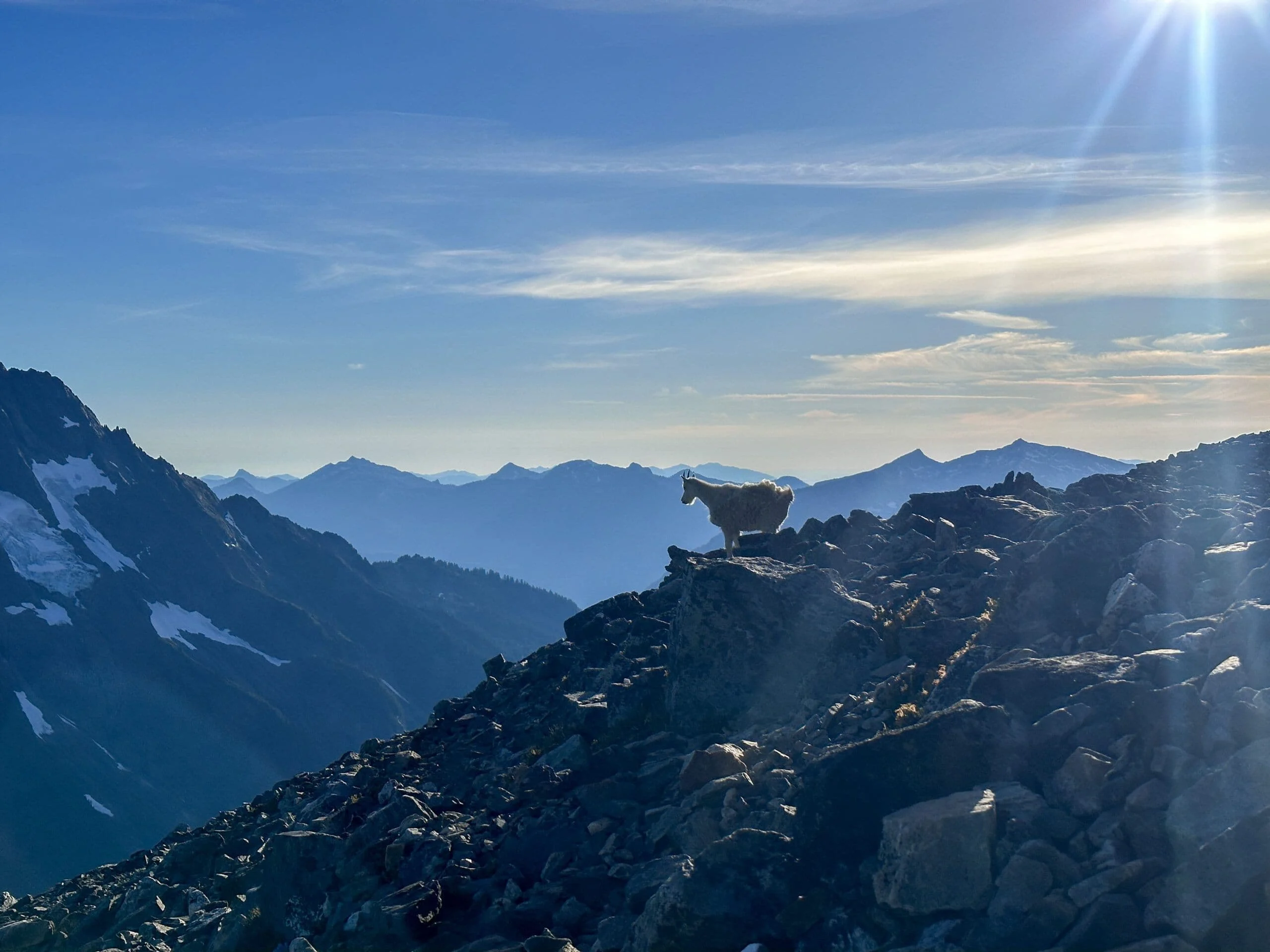
The trailhead is off Cascade Pass Road, roughly 11 miles of poorly graded dirt that won’t take RVs or trailers. The 6-mile hike in starts with shaded switchbacks, climbs through meadows of yellow, purple and red wildflowers, crosses snowfields and opens into high-alpine terrain. Mountain goats forage on the slopes; pikas squeal warnings as you climb.
Coffee with the mountain goats, then pack up and hike out — with a cold dip in an alpine lake to ease the shoulders. After a reset in Marblemount, head to Newhalem Creek Campground in the Ross Lake Recreation Area. Easy options nearby: the flat old-growth loop of Trail of the Cedars, the short walk to Ladder Creek Falls, the Sterling Munro boardwalk with views of the Picket Range, and a swim in Diablo Lake.
The Thornton Lakes Trail is a strenuous 10.4 miles round trip, reached by a 5-mile dirt road, to a remote alpine lake beneath steep, rocky peaks. Time permitting, try Hidden Lake Lookout (first-come, first-served overnight stays), Trappers Peak, Sourdough Mountain or the quieter Stiletto Peak — then continue west toward Mount Baker and Mount Shuksan, or back to Seattle.
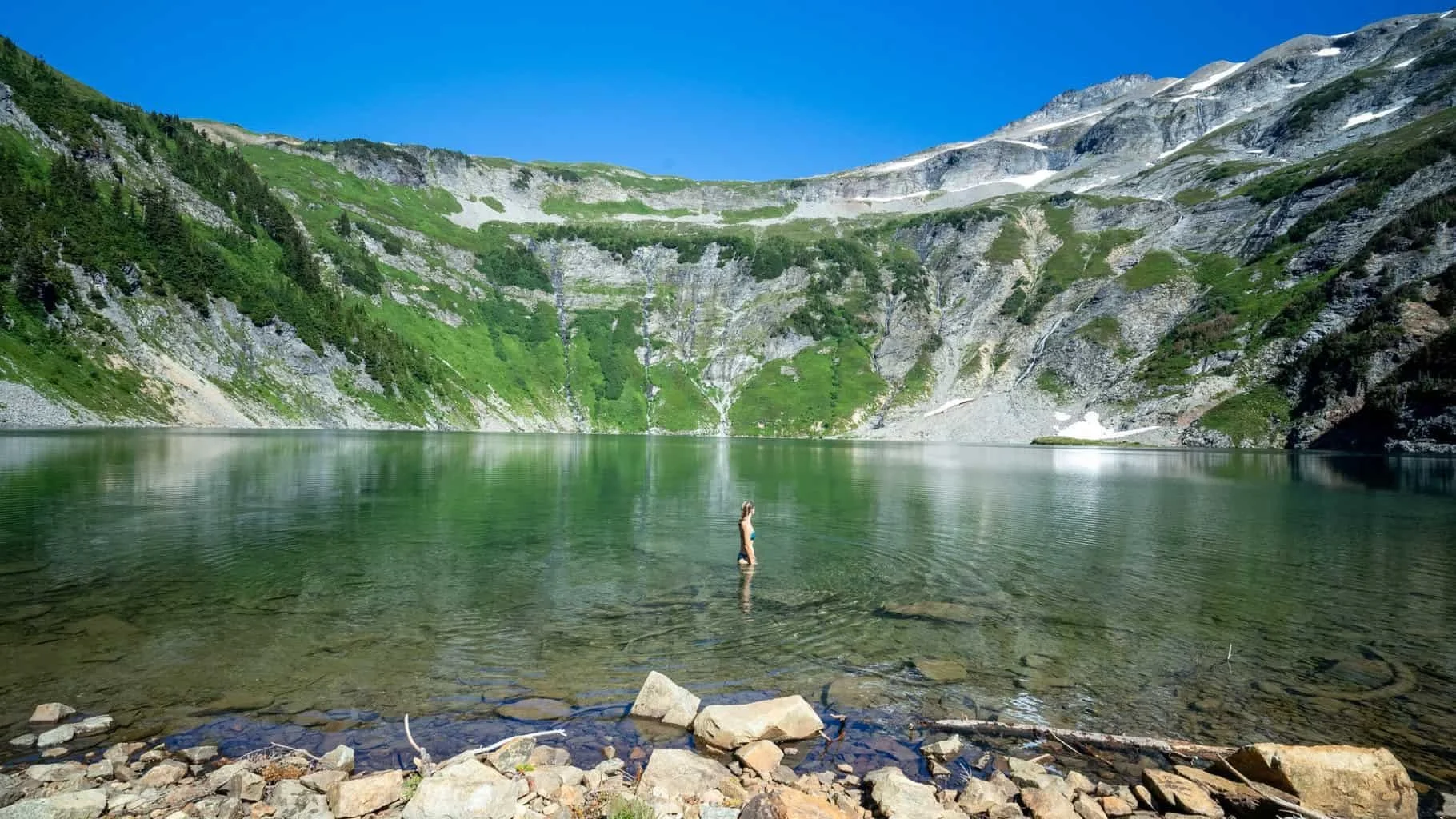
North Cascades is raw, demanding and incredibly rewarding. It isn’t a drive-by park — but if you’re willing to train, plan and venture past the overlooks, you’ll experience one of the wildest, most beautiful places in America. Always check the park website for current trail conditions, road closures and fire updates before you go.
No. There is no entry gate or fee, but parking at most trailheads requires a National Park Pass or a National Forest Pass, sold at REI, the Newhalem Visitor Center and the Wilderness Office in Marblemount.
Yes. All backcountry camping requires a permit, reserved on recreation.gov or collected in person at the Wilderness Office in Marblemount. Bear canisters are mandatory and can be rented there or in Newhalem.
There are no grizzly bears currently living in the park — only black bears. Store food properly and carry a bear canister in the backcountry.
Highway 20 is the only paved road through the park and it is often closed by snow in winter, so most visitors come in summer and early autumn.
Contributing writer
Emma Bumgarner
Backpacking · Road trips
From the American Alps of the North Cascades to Bryce’s hoodoos — permits, routes and honest logistics.
34 stories
Washington, USANational Park Adventures
★ Telly Award 2024
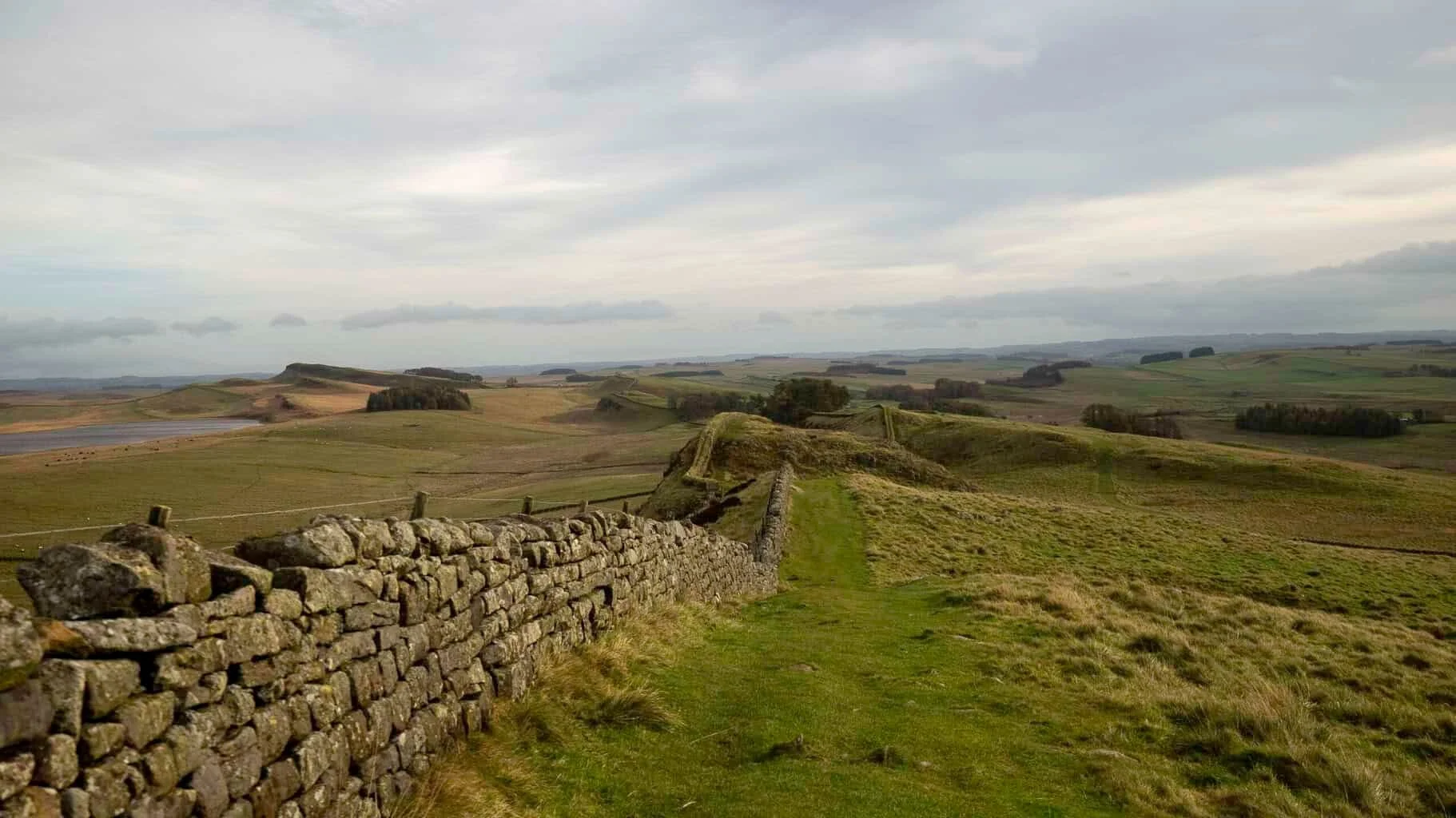
Hiking
Walk Hadrian’s Wall’s most scenic middle stretch in 3 days. Route, logistics, costs, packing list, and October trail notes.
Jun 1, 20268 min read
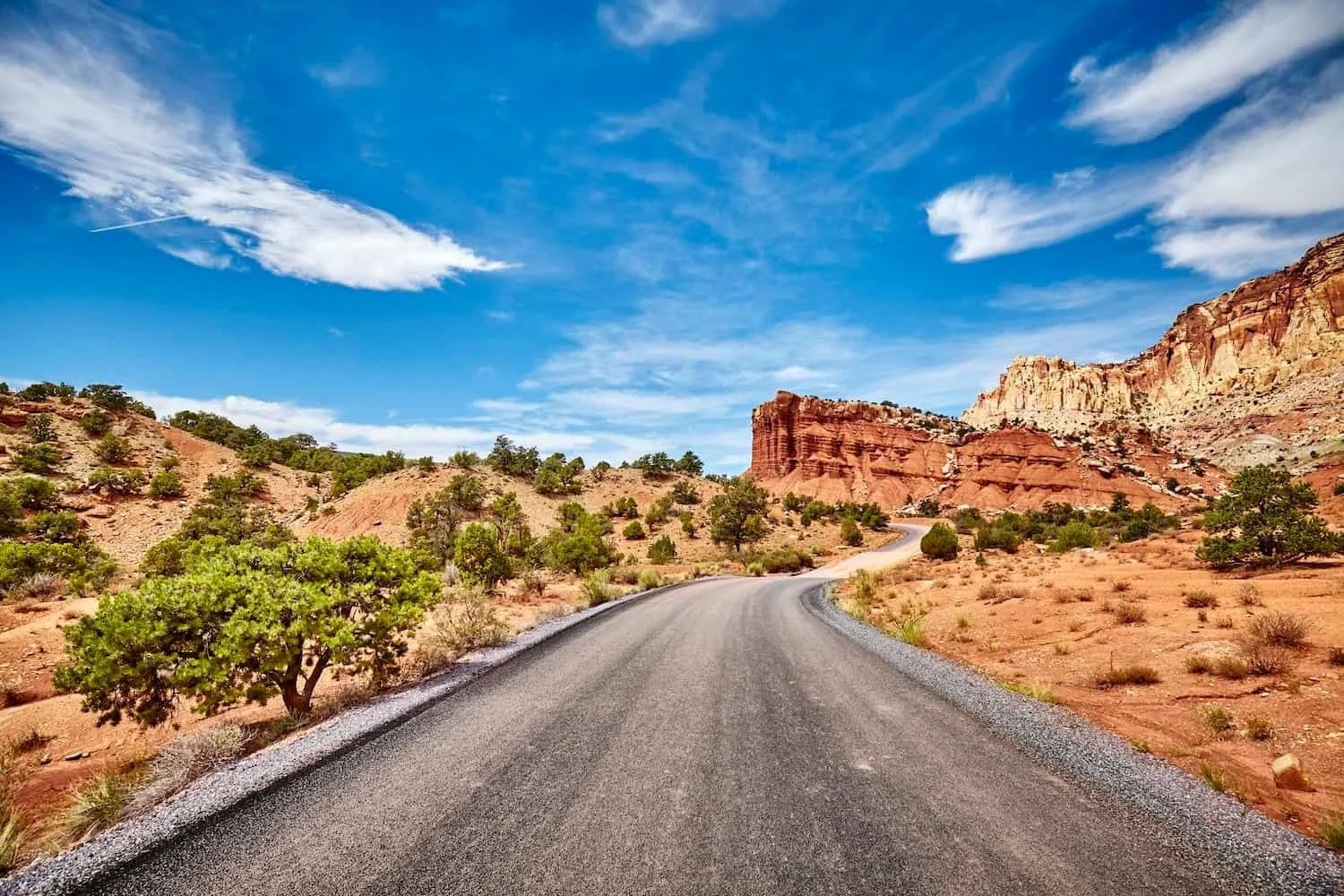
National Parks
The only Capitol Reef National Park guide you need to hit the best trails, find cool geology features, and take unforgettable scenic drives.
Jun 24, 202516 min read
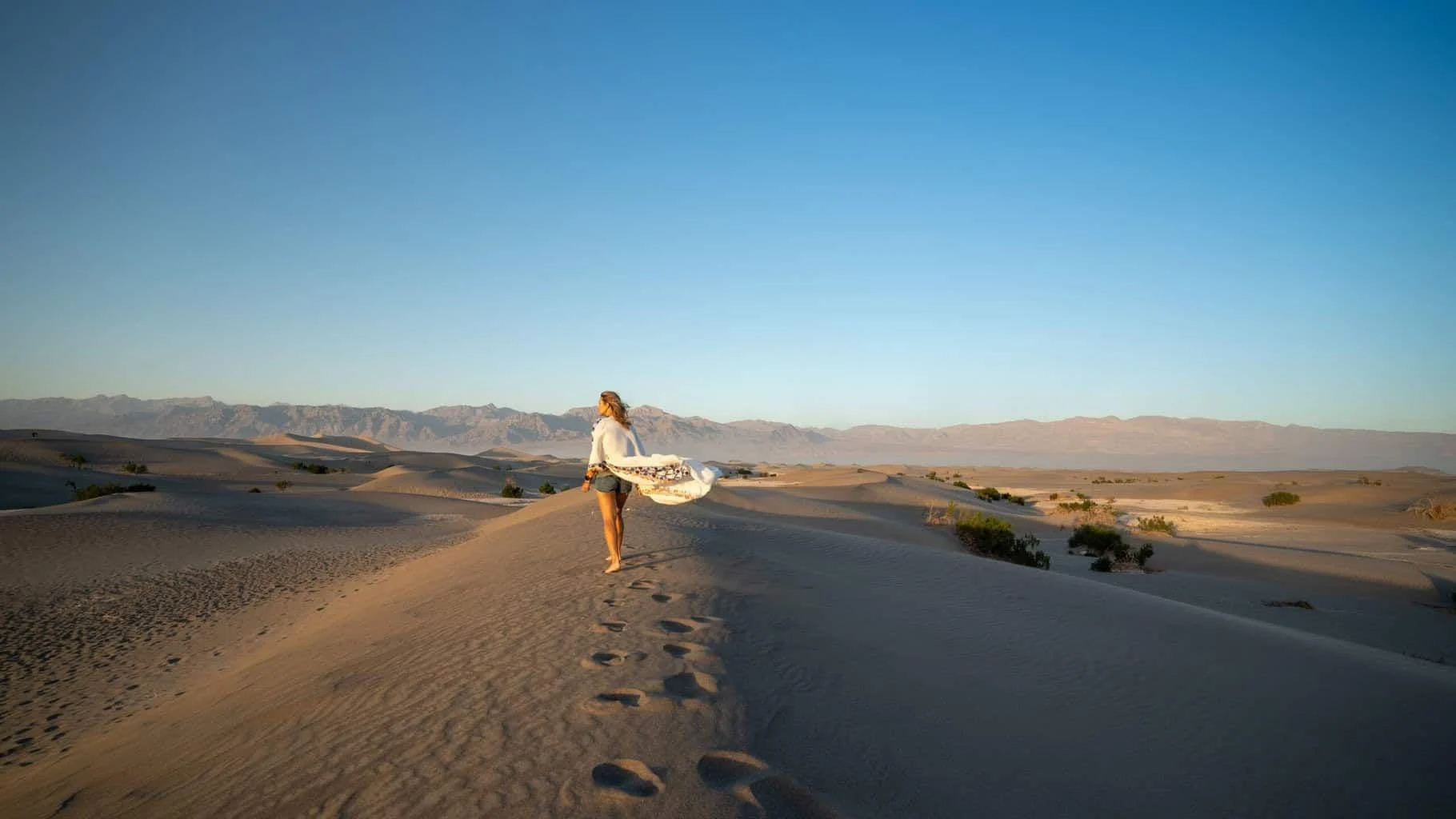
National Parks
Visiting national parks? Learn about park entry fees and permits, lodging, seasonal closures, and more. We cover it all in this guide!
May 13, 202514 min read