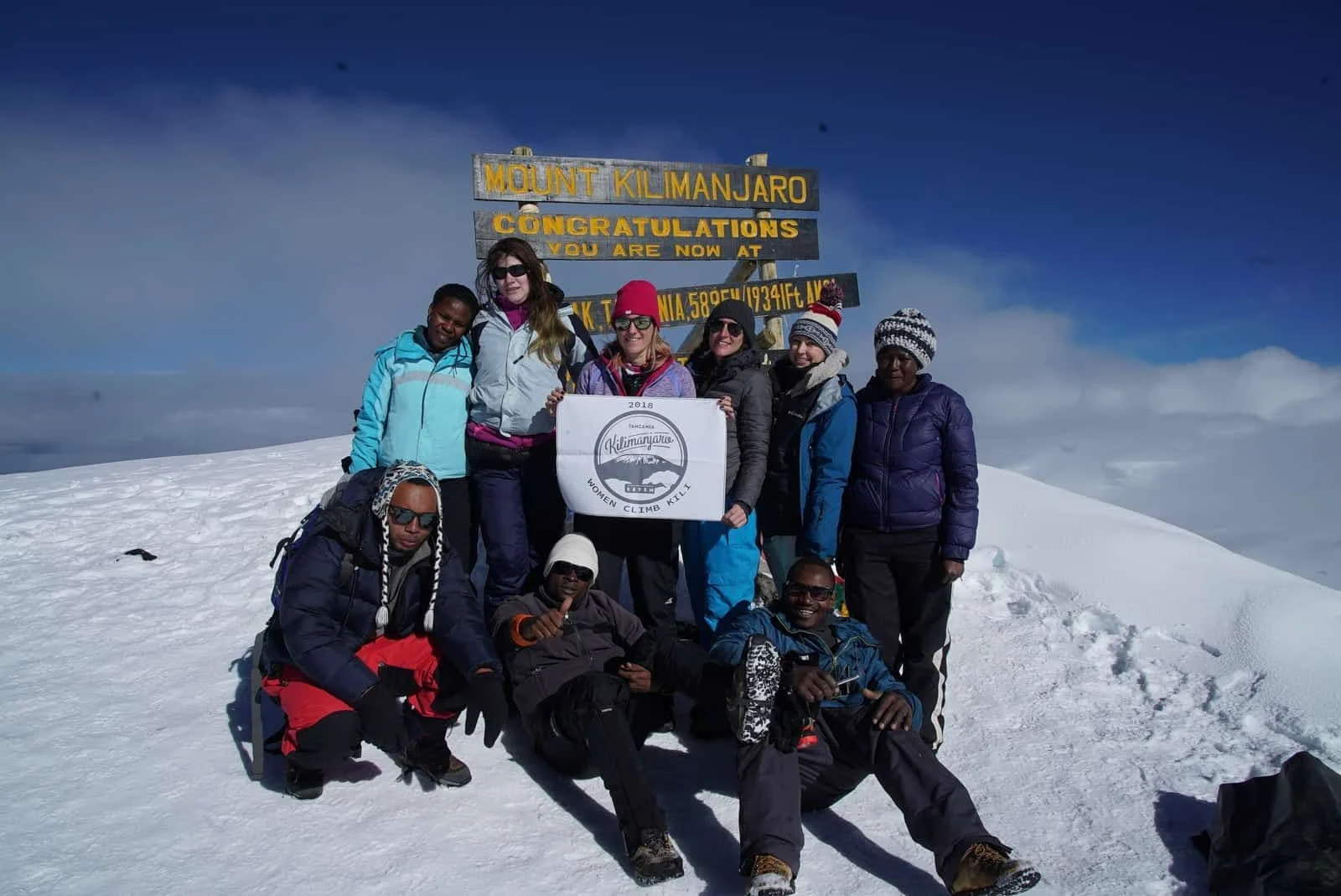
Summits · Safari
Tanzania
Seven days to the roof of Africa, then the Serengeti and Zanzibar’s spice coast.
5 stories
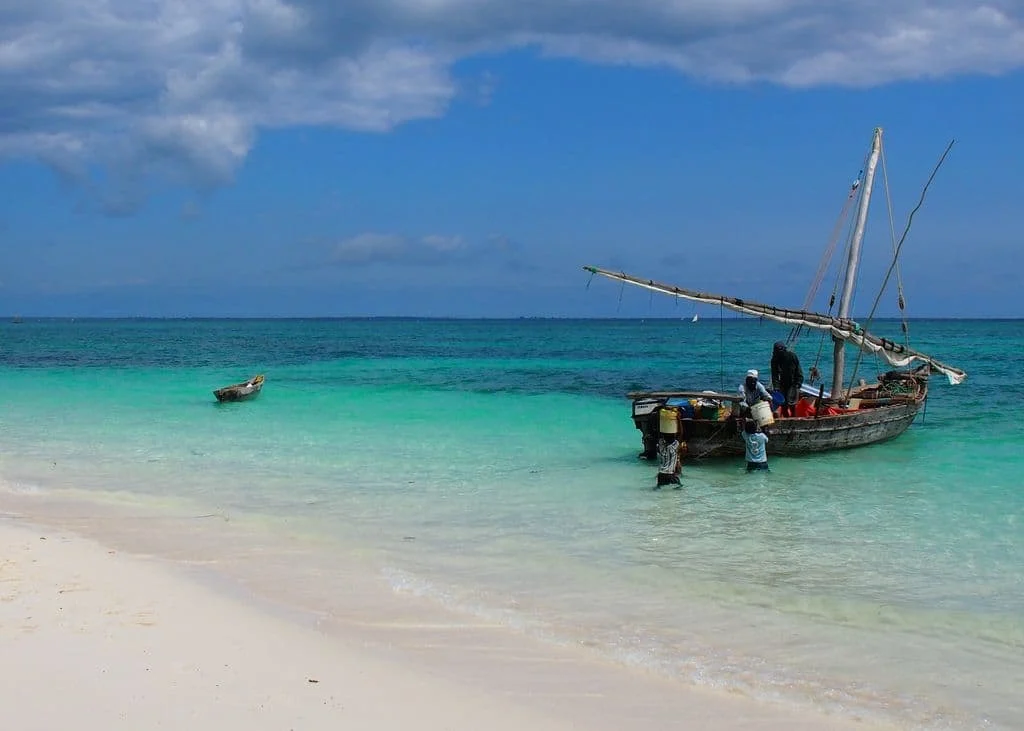
Discover five remote natural wonders accessible by boat, providing unique opportunities for exploration, wildlife viewing, and off-the-beaten-path adventures.
Some destinations only reveal their true character when approached by water. Roads either don’t reach them or miss the essence entirely. Following rivers, fjords, or open sea routes shows how landscapes connect, with villages along the shoreline, glaciers descending into the sea, and wildlife moving freely beyond human boundaries. Travelling by boat also changes the flow of a trip, allowing visitors to arrive gradually and watch the landscape shift instead of stepping straight into it.
The destinations below are more than scenic stops. They are places where the journey itself reveals how people live, how geography shapes daily life, and why certain regions feel so far removed from everything else.
Moving along the Ganges by boat offers a perspective on northern India that is difficult to piece together from land routes alone. In Varanasi, the riverfront ghats, especially Dashashwamedh Ghat and Assi Ghat, remain in constant use, from early morning bathing rituals to evening ceremonies. Boats pass Manikarnika Ghat, where cremations take place, offering a direct view of traditions that have continued for centuries. Walking through nearby lanes toward Vishwanath Gali, the transition from riverbank to market streets happens quickly, with silk shops and small shrines filling the narrow alleys.
Further downstream, the pace changes. In towns like Murshidabad, remnants of colonial-era buildings sit not far from older Mughal structures such as Hazarduari Palace. This stretch of the river feels less visited, with fewer crowds and more local traffic moving between villages.
An incredible Indian river cruise usually focuses on this transition between major cities and quieter settlements. Routes often include stops at Kalna, where terracotta temples like the Rajbari complex are laid out in symmetrical courtyards, and Mayapur, known for its large temple complex is tied to the Hare Krishna movement. Travelling this way makes it easier to understand how trade, religion, and daily routines have all centred around the river for generations.
Norway’s fjords are easier to understand from the water than from the road. Driving gives you the height and distance, but being on a boat puts you right between the cliffs. In the Geirangerfjord, waterfalls like the Seven Sisters fall directly into the water, and abandoned farms such as Skageflå can still be seen clinging to steep slopes. Boats usually stop at small docking points where passengers can walk short trails before continuing deeper into the fjord.
In Bergen, most trips start near Bryggen, the old Hanseatic wharf, where wooden buildings line the harbour. From there, boats head north or inland, depending on the route. The transition from a busy port to narrow fjord passages happens within a few hours, especially when travelling toward areas like Nærøyfjord, where the waterway tightens and the cliffs rise sharply on both sides.
During summer, the midnight sun changes how time feels. Boats continue moving late into the evening, passing through villages like Flåm, where a short walk from the dock leads to the railway station and the start of the Flåm Railway. It’s common to step off, explore briefly, and reboard without feeling rushed, since daylight doesn’t really fade.
Svalbard sits far enough north that even reaching it feels like a shift into a different kind of travel. Most journeys begin in Longyearbyen, where the main street runs past the Svalbard Museum and a handful of practical buildings rather than a traditional town centre. From the harbour, boats head out into Isfjorden, where the landscape quickly opens into wide, quiet stretches of water.
Glaciers such as Nordenskiöldbreen extend directly into the sea, and it is common to see chunks of ice break away and drift past the boat. Wildlife sightings are never guaranteed, but they occur often enough to feel like a natural part of the journey. Walruses rest along the shoreline, seabirds nest on the cliffs, and the occasional polar bear can be seen moving across distant ice.
Some of the most beautiful cruises to Svalbard are designed to follow the edge of the pack ice, adjusting routes depending on conditions. Stops might include Ny-Ålesund, a small research settlement where paths connect scientific stations and old mining remnants, or Magdalenefjord, where short landings allow visitors to walk near historic whaling sites. The experience isn’t structured around fixed landmarks as much as it is around the changing environment, which dictates where boats can go and what can be seen on any given day.
Iceland’s coastline doesn’t get as much attention as its inland routes, but approaching parts of the country by boat adds context to its volcanic terrain. Around Reykjavík’s Old Harbour, smaller vessels head out toward Faxaflói Bay, where views back toward Hallgrímskirkja and the Harpa Concert Hall gradually shrink as the coastline becomes less built up.
Further along the south coast, areas near the Westman Islands (Vestmannaeyjar) show how volcanic activity has shaped entire communities. Heimaey, the main island, still bears marks from the 1973 eruption, with hiking paths leading up to the Eldfell crater. Boats navigating these waters pass sea cliffs where puffins nest, especially during the summer months.
On the western side, the Snæfellsnes Peninsula is often explored partly by sea. Approaching Snæfellsjökull glacier from the water gives a clearer sense of how it rises above the surrounding lava fields. Nearby coastal villages like Arnarstapi and Hellnar are connected by walking paths, and it’s possible to dock, explore the cliffs and rock formations, and return to the boat within a few hours.
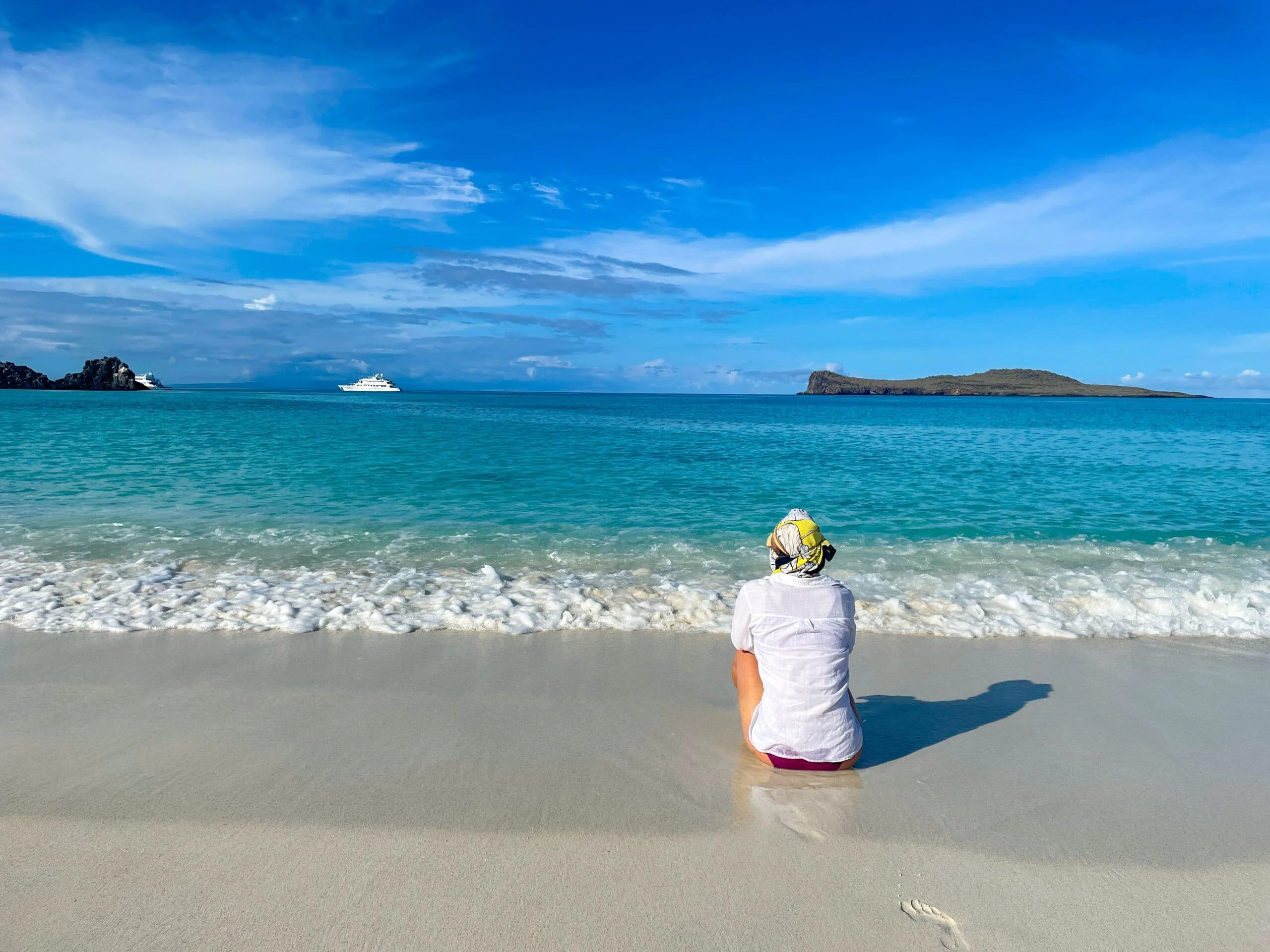
The Galapagos Islands are among those places where boats are not just a way to get around but the only practical way to see multiple islands in one trip. Starting from Puerto Ayora on Santa Cruz Island, boats move between sites such as North Seymour, Española, and Isabela, each with its own terrain and wildlife patterns.
On Española Island, landing at Punta Suárez involves walking along marked trails where marine iguanas and waved albatross nest close to the path. The terrain is dry and rocky, and the coastline drops sharply into the sea. In contrast, Isabela’s Puerto Villamil has a longer beachfront, and inland paths lead toward the Wall of Tears, a historical site built by prisoners in the mid-20th century.
Snorkelling spots are usually reached directly from the boat. Places like Kicker Rock near San Cristóbal involve short swims between volcanic formations where reef sharks and rays are often seen. Back on land, small towns offer a glimpse into daily life, where docks, local markets, and simple transport links connect different parts of each island.
Choosing between these destinations usually comes down to the kind of landscape you want to explore from the water. Some travellers are drawn to rivers that connect cities and smaller towns, while others prefer coastlines where wildlife and geology take over. Boats make it possible to move through these places in a way that feels seamless. Instead of jumping between highlights, the route itself becomes part of the experience, whether that means following the Ganges past temple towns or navigating Arctic waters shaped by ice. The question is not just where to go, but which kind of journey makes the most sense to begin with.
Contributing writer
Olin DeLa Cruz
Summits · Safari
Seven days to the roof of Africa, then the Serengeti and Zanzibar’s spice coast.
5 stories
Adventure
From Antarctica to Norway fjords, Mexico cenotes and the Great Barrier Reef, explore five iconic water-based travel destinations.
May 29, 20265 min read
Adventure
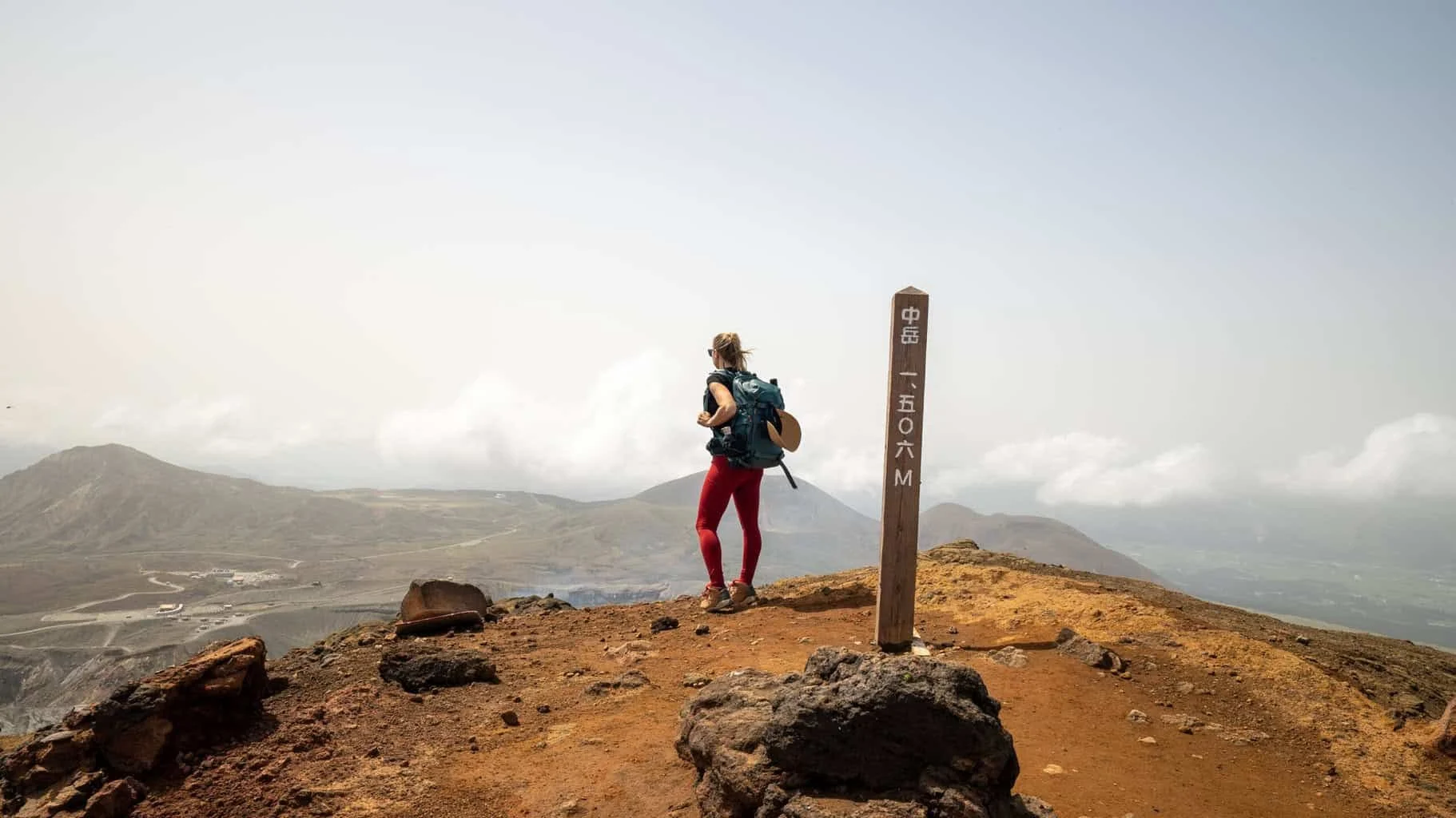
The 12 best adventure destinations in Japan lead to volcanoes, forests, falls, and gorges on historic trails, pilgrimage routes, and more.
Oct 26, 20249 min read
Adventure
From getting your TCT to making travel plans, learn how to visit the Galapagos Islands for its extraordinary landscapes and wildlife.
May 20, 202411 min read