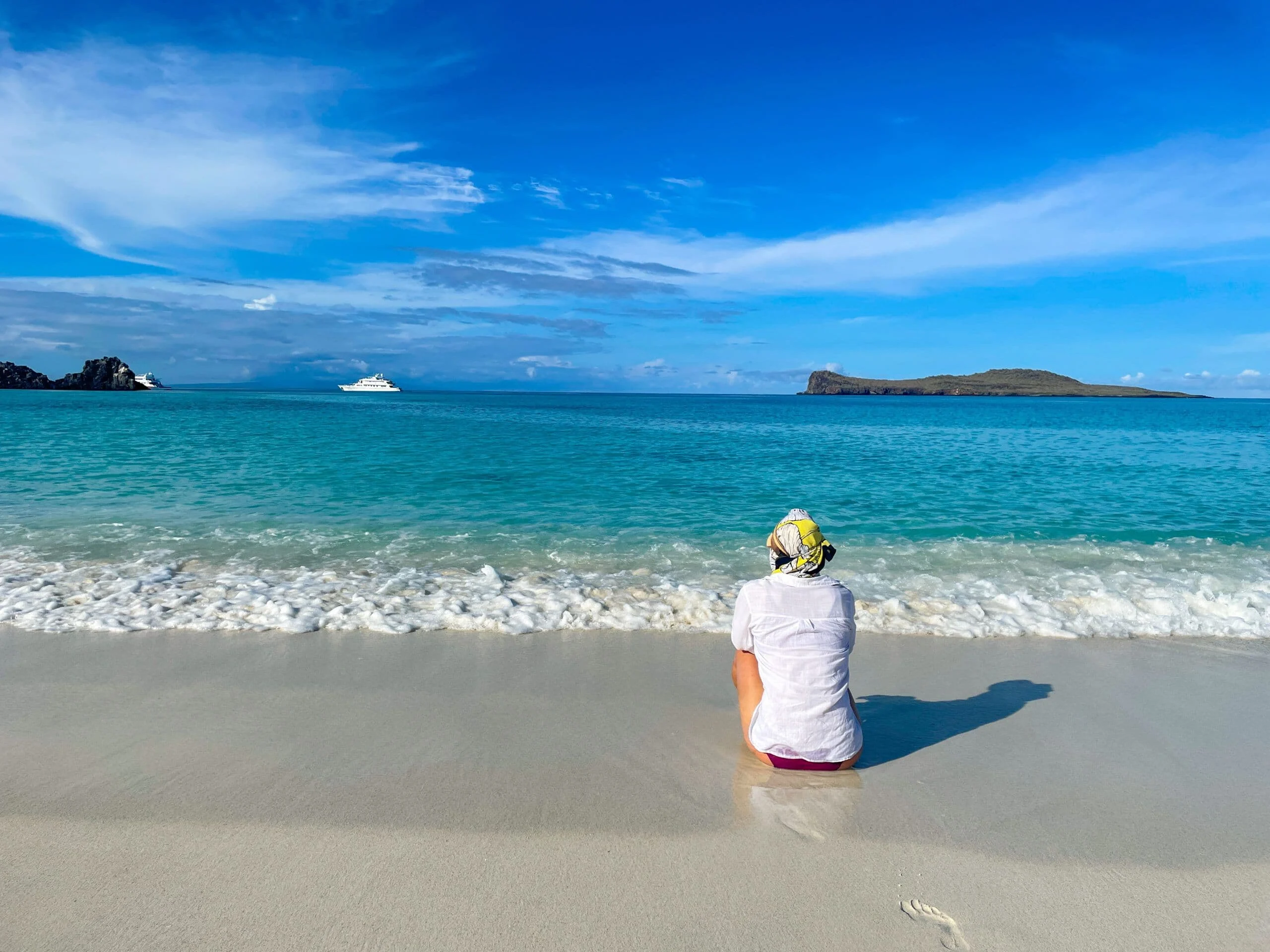
Volcanoes · Wildlife
Ecuador & Galápagos
Cotopaxi’s glaciated cone, cloud-forest lodges and the Galápagos’ extraordinary wildlife.
3 stories
Destinations
First time visitors to Ecuador can learn more about this South American country on the Equatorial line with fun facts to help plan your trip!
This beautifully diverse country features spectacular, unspoiled landscapes that must be carefully preserved and protected. Leave No Trace when you visit and be respectful of the people and places you encounter during your travels! Please note that this post contains affiliate links I’ve carefully chosen. I may receive a small commission at no cost to you when you make a purchase through them.
Ecuador is one of the world’s most biodiverse countries. Located in South America it is home to the Andes mountains, the Amazon, the Galapagos Islands, multiple indigenous groups, the equator, great outdoor activities and some of the world’s most wild nature.
Here are some unique and fun facts about Ecuador and tips for first time visitors to Ecuador—get ready to explore why this fascinating country is a favorite for adventurous travelers!

1. The official language of Ecuador is Spanish, but there are 13 native languages spoken in the country. Quechua is the main native language spoken by the indigenous people of Ecuador and the Peruvian Andes.
2. Ecuador means “equator” in Quechua. Fitting, because the Equator runs right through Ecuador!
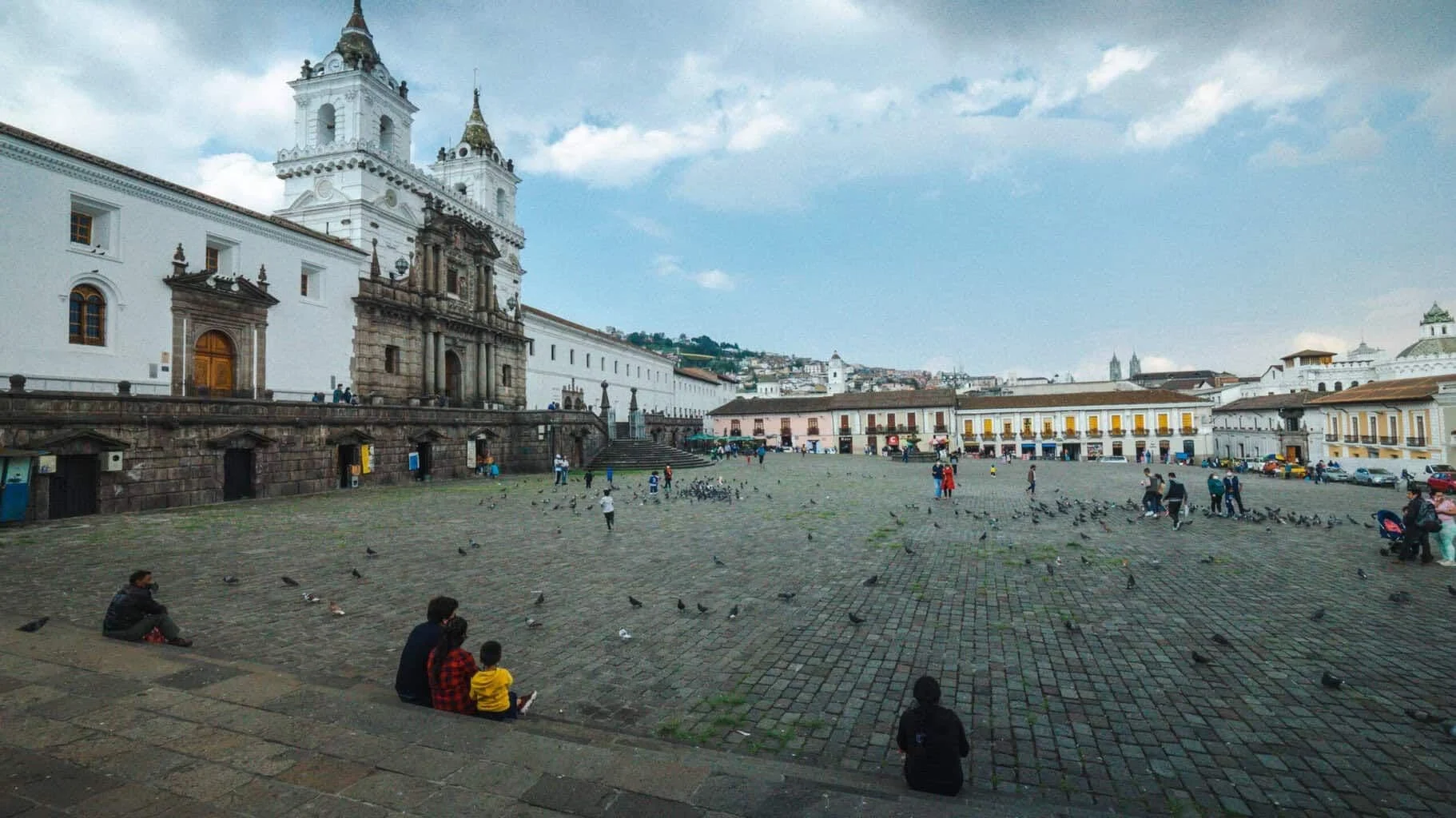
3. Quito, Ecuador’s capital, is one of the highest capitals in the world and sits at 9,350 feet. It can take some acclimation to get used to this altitude when you visit.
4. Visitors can walk on the equatorial line at Mitad del Mundo and the neighboring Intinan Equator Museum, where they also have interactive experiments to showcase the equator.
5. Ecuador is home to 5 World Heritage Sites, including the old city of Quito, the Historic Centre of Santa Ana de los Ríos de Cuenca, Qhapaq Ñan, Andean Road System, the biodiverse Galapagos Islands, and Sangay National Park.
6. The Panama hat was invented in Ecuador, not Panama. Straw hats woven along the Ecuadorian coast were taken to Panama initially to be sold to canal workers and, after the canal opened, to affluent westerners passing through the Panama Canal.
7. Always bring an umbrella as it rains often, especially in the lush Amazon region. This is so important for first time visitors to Ecuador to know—the weather can change on a dime!
8. The sun is really strong in Ecuador as you are on the equator. Make sure you wear your sunscreen to avoid painful sunburns with the higher UV index.
9. Ecuador can be incredibly cheap to visit, and everything is listed in US dollars. There is no local currency, so you won’t have to worry about exchanging your bills or mentally tallying your total in dollars at restaurants, shops, and local services.
10. Ecuador’s flag is made up of three stripes of yellow, blue, and red with the coat of arms in the center. The flag is based on the flag of Gran Colombia. Yellow represents sunshine, grain, and mineral wealth; blue, the sky, sea, and rivers; and red, the blood the patriots spilled in the struggle for freedom and justice. (Source: CIA World Factbook)
11. Charles Darwin initially visited Ecuador’s Galápagos Islands in 1835 and largely based his theory of evolution on the discoveries he made there—even though he was only there for a short period. (Source: Darwin Online)
Now that you know a few fun facts about the country of Ecuador, let’s learn a little more about the history, biodiversity and food of this incredibly unique place. Learning more about the country is a great idea for first time visitors to Ecuador—you’ll be able to better appreciate and recognize the significance of things, places, and traditions you encounter on your travels.

The territories of modern-day Ecuador were once home to a variety of indigenous people who became parts of the Inca people by around the 15th century. Spain colonized the country in the 16th century, and in 1820, Ecuador gained independence as part of Gran Colombia—a large area that consisted of much of Northern South America as we know it. Ecuador became its own sovereign state in 1830.
Today, Ecuador has an ethnically diverse population with around 17 million people, many being mestizos (Spanish-speaking people of European and Indigenous descent), but also large portions of people with European, African, Native American, and Quechua backgrounds.
Ecuador is one of the most biologically diverse countries in the world. It has more than 23,056 species of animals and plants, which makes up 6.1% of all the species reported anywhere on Earth and 15% of the world’s bird species. That’s an incredible share of the planet’s biodiversity! The Ecuadorian Amazon and the cloud forests of Mindo are two great places for bird watching. It’s also the first country in the world to create rights for nature. As of 2008, the country put into the constitution ecosystem rights that help created legally enforceable rights for nature.
Ecuador is home to the Galapagos Islands, an unspoiled wildlife paradise, national park, and grouping of 17 main islands. It’s one of the most well-preserved island ecosystems in the world. The islands are a critical migration route for hundreds of species of marine life like whales, sharks, and penguins. Some of the islands are completely uninhabited, leaving room for birds, iguanas and sea lions to live as naturally as possible.
You need a Transit Control Card (TCT) and to pay the entry fee (about $200) to visit the Galapagos Islands. If you’re thinking about going to explore the islands, I share more details about how to visit the Galapagos Islands here.


Quito has a long tradition of serving great local food, called comida típica. Unlike in the US, most Ecuadorians eat their large meals at lunchtime. There are three main regions in Ecuador, each with its own style of cooking:
The food in Ecuador is incredibly fresh, local, and traditional. Dishes are protein and carb-based and are the perfect fuel for hikes, adventures, and exploring the cities. Some things that might take you by surprise:
Ecuador is an incredible country, full of wildlife, cultural traditions, and unique adventure activities. Ready to visit? Check out some of the other guides here on the Galapagos and Cotopaxi to learn more about places to stay, eat, and visit in the beautiful country of Ecuador. I also have a full Ecuador video series on this beautiful country! You can check out my overview of Ecuador below. Never stop exploring!

Founder, host & filmmaker
Alice Ford
Award-winning adventure filmmaker, PBS travel host, stuntwoman and sustainability advocate. Alice started this site in 2013.
Volcanoes · Wildlife
Cotopaxi’s glaciated cone, cloud-forest lodges and the Galápagos’ extraordinary wildlife.
3 stories
Europe
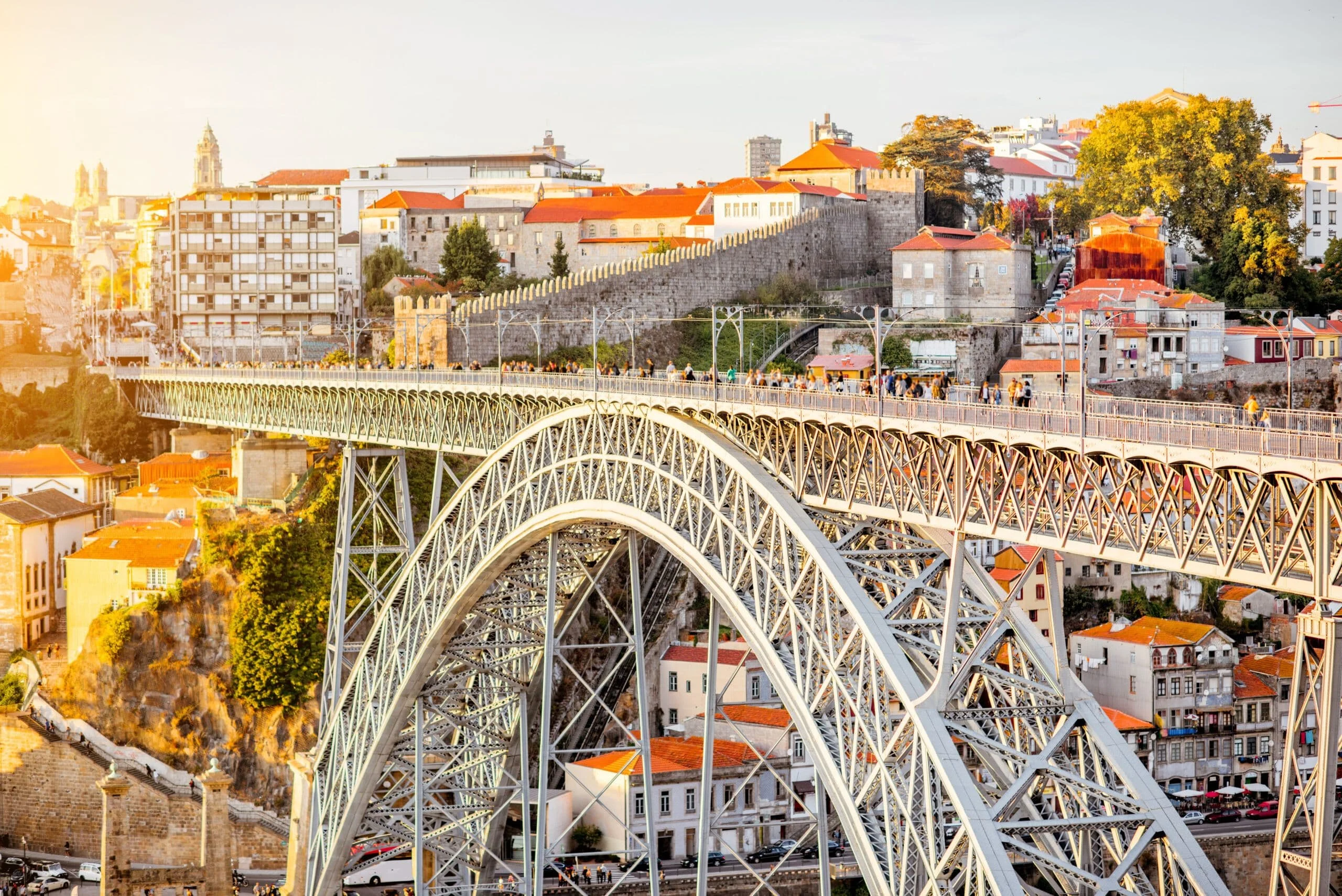
Looking for the best places to visit in Europe? Explore 5 captivating escapes from Patmos and Iceland to France's wine regions, cycling routes, and historic cities.
Mar 24, 20265 min read
Travel Tips
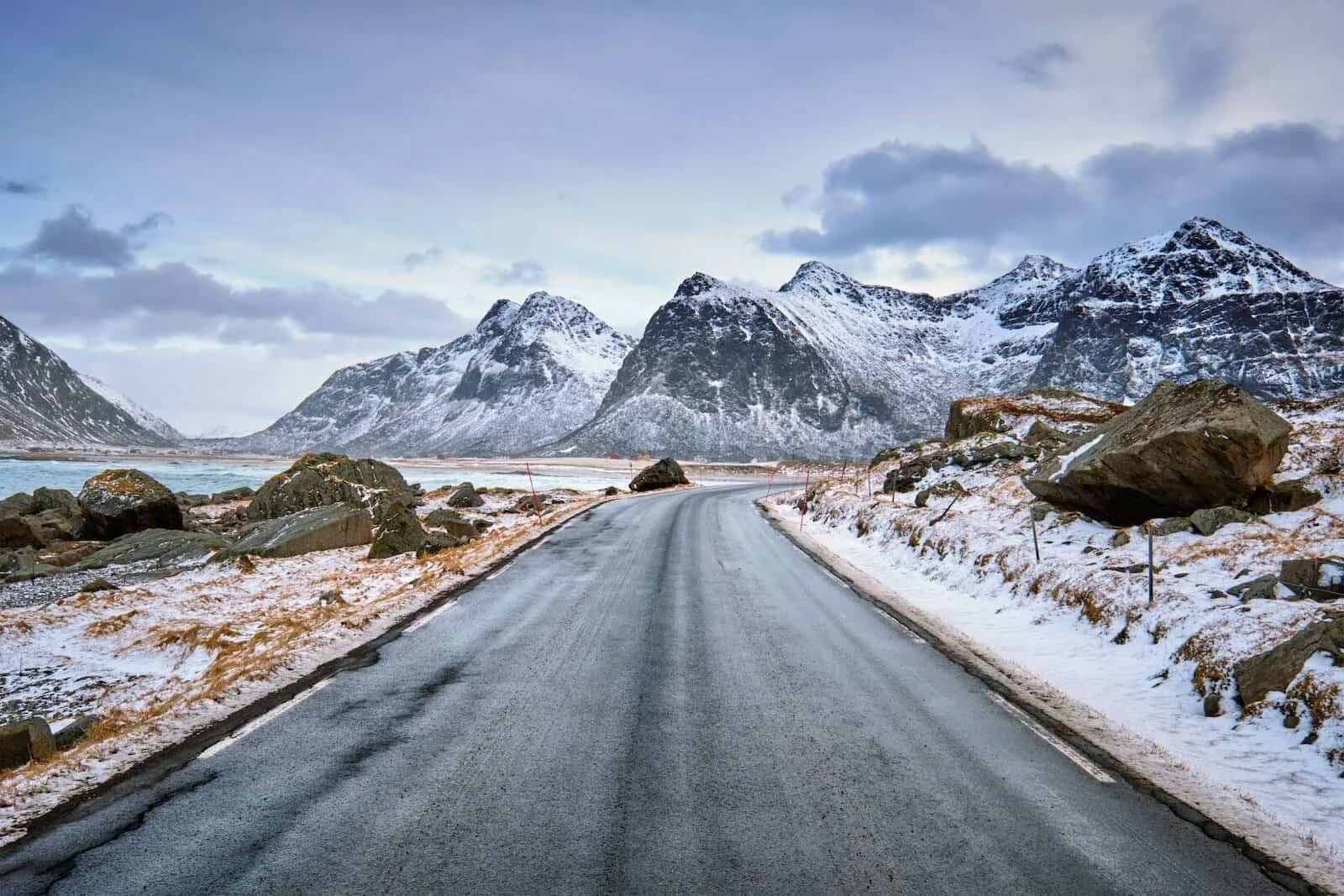
Thinking about renting a car in Norway? I'll show you everything you need to know, from pointers on rental companies to cost expectations.
Sep 30, 20256 min read
Travel Tips
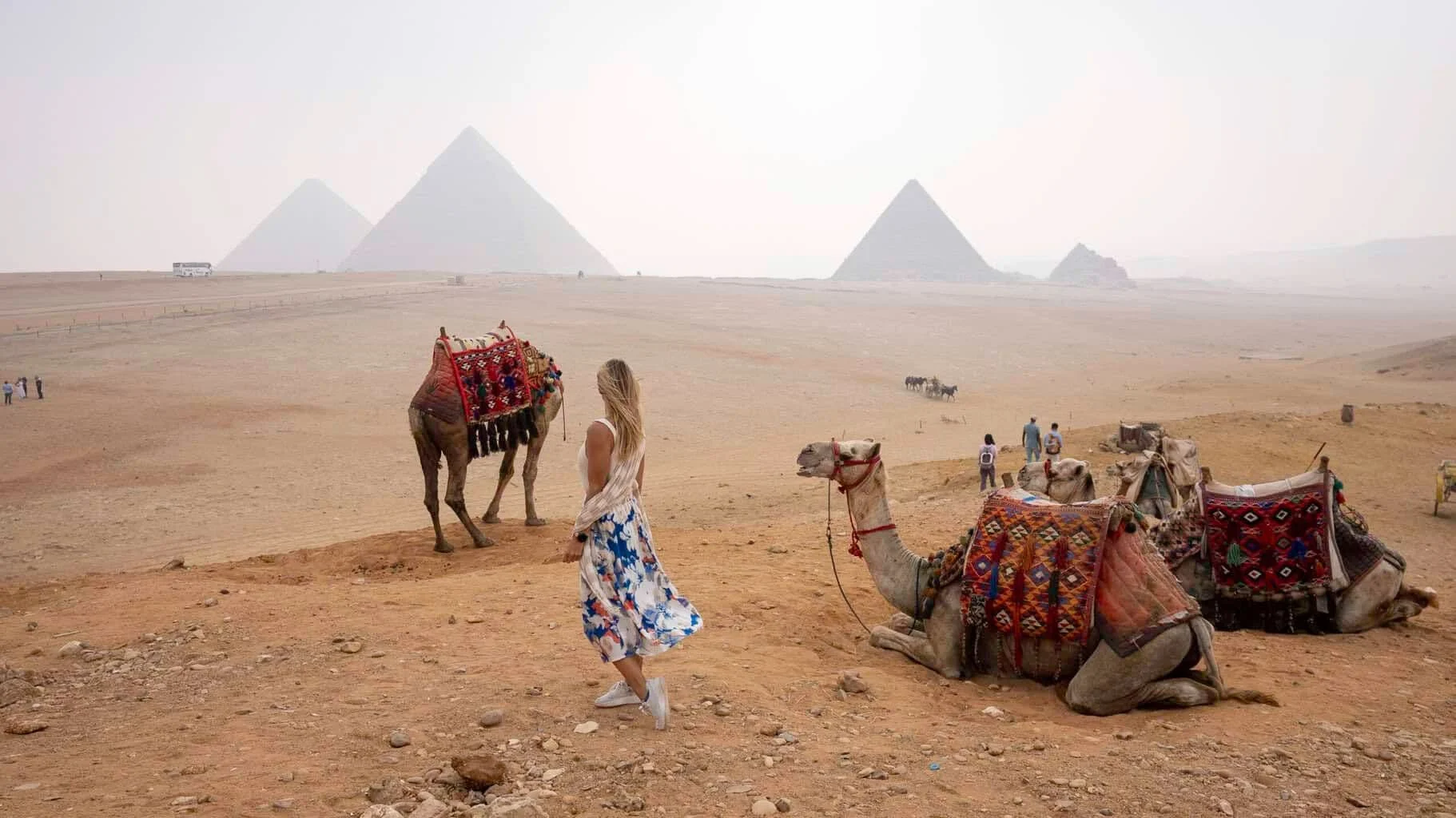
International travelers need an eSIM to stay connected without roaming fees. See the setup steps and what to know before you use one.
Jul 25, 20257 min read
