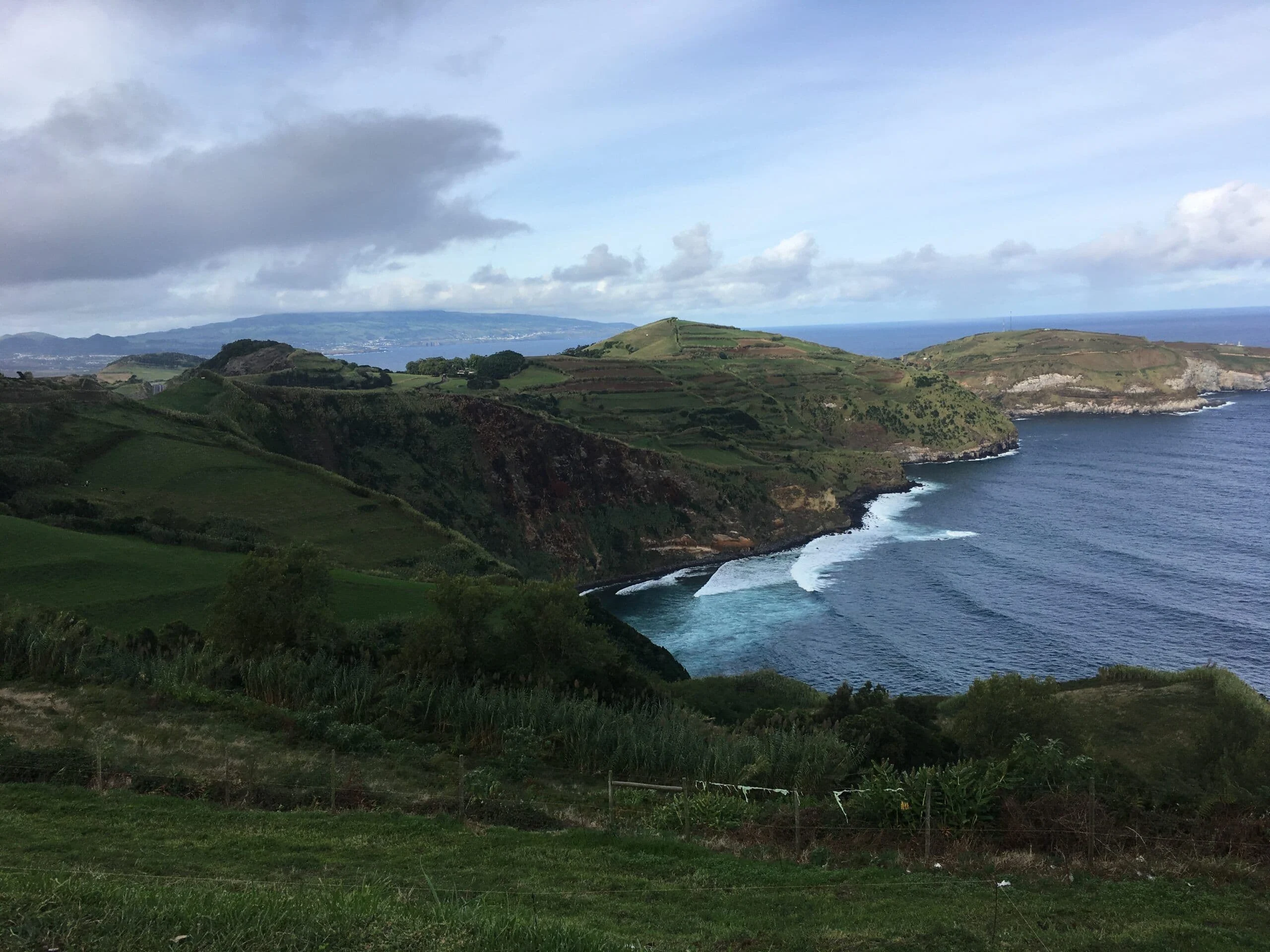
Islands · Whales
Portugal & the Azores
Volcanic islands, whale research at sea and the Douro’s World Heritage vineyards.
12 stories
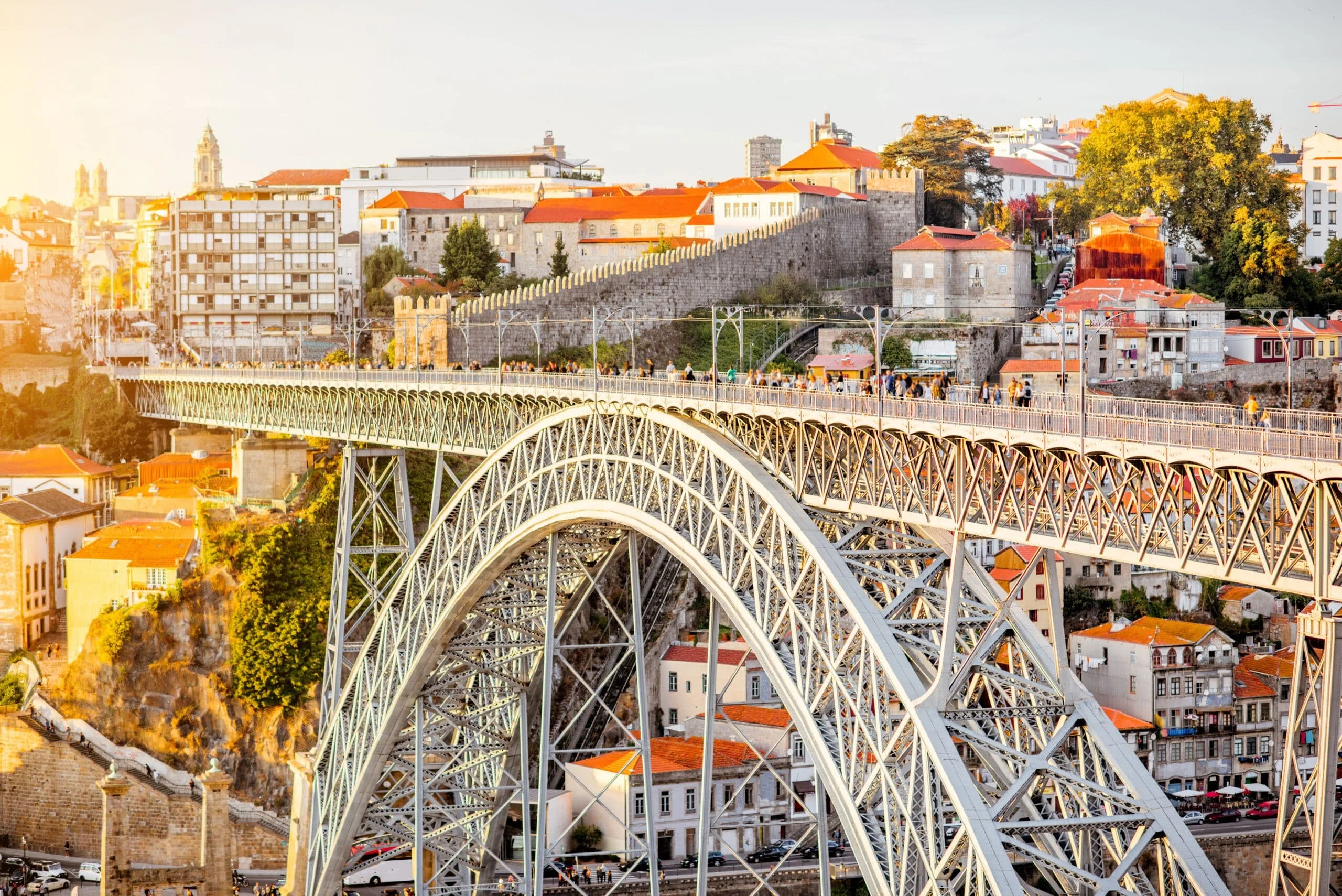
Looking for the best places to visit in Europe? Explore 5 captivating escapes from Patmos and Iceland to France’s wine regions, cycling routes, and historic cities.
Europe doesn’t really need an introduction, but choosing where to go can still feel oddly difficult. The continent shifts quickly from quiet islands to dense historic cities, from vineyard landscapes to volcanic terrain, with each place requiring a slightly different way of travelling. What stands out more than the scenery is how accessible everything is once you understand the layout – ferries linking islands, train lines cutting across borders, and cycling routes passing through multiple countries.
Arriving in Patmos usually means coming in by ferry and stepping straight into Skala, the island’s main port. The harbor is compact, so most places are within easy walking distance at first—small grocery shops, the marina, and the road leading uphill toward Chora. It’s worth making that climb early in the day. The path winds past whitewashed houses before opening out toward the Monastery of Saint John, set high enough to offer clear views back across the coastline.
Those planning a longer stay should look into the best luxury villas in Patmos. Many are positioned between Chora and quieter beaches like Grikos or Petra, making it easy to move between historic sites and swimming spots without relying heavily on transport. Some properties are positioned along the coastal road toward Kambos, where access to more open beaches and local walking routes becomes easier.
From Chora, narrow alleyways lead back down toward smaller chapels and viewpoints that don’t appear on most maps. The layout encourages wandering, without the need to follow a strict route. By late afternoon, most movement shifts back toward the coast, especially around the coves near Grikos, where the water stays calm even when other parts of the island get windy.
Cities like Prague, Vienna, and Budapest are best experienced as a connected route, not as separate trips. Train connections between them are reliable, and once you arrive, most key areas are compact enough to explore on foot. In Prague, starting around Staroměstské náměstí makes sense, then crossing the Charles Bridge toward Malá Strana before heading uphill to Prague Castle. The transitions between these areas are short, but the architecture shifts noticeably along the way.
Vienna feels more structured. The Ringstrasse forms a natural boundary around the historic centre, making it easy to move between districts like Innere Stadt and Neubau. Streets around Stephansplatz are dense, but walking outward toward MuseumsQuartier gradually opens things up. Public transport fills in the gaps, especially when heading out to places like Schönbrunn Palace.
Budapest splits itself across the Danube, which changes how it’s explored. Starting in Pest around the Parliament building and moving toward the Great Market Hall works as a flat, walkable route. Crossing into Buda via the Chain Bridge leads to a steeper climb toward Fisherman’s Bastion and the castle district. The city’s layout naturally divides each day by the side of the river you’re exploring.
Cycling across Europe tends to follow established corridors, and the Danube Cycle Path is one of the easiest to navigate. It runs from Germany through Austria and into Hungary, with long stretches staying close to the river. Towns like Passau and Linz serve as natural stopping points, with clear signage guiding riders between them.
For a more structured route, it’s worth looking into fun bike tours in Europe. These organised trips plan daily distances between towns, factoring in terrain, road conditions, and nearby accommodation. This becomes especially useful on routes like the Loire Valley in France, where vineyards, small villages, and riverside paths intersect in ways that aren’t always obvious without prior knowledge. Having a defined route also helps avoid busier roads, which can otherwise disrupt the experience.
In northern Italy, cycling routes through regions like Veneto connect smaller towns. Paths pass through agricultural land and follow irrigation canals. The terrain remains largely flat, shifting the focus toward covering distance rather than tackling difficulty. Riders often move between towns like Treviso and Vicenza, where historic centers provide clear entry points and places to stop without needing to plan too far ahead.
Reykjavík works as a base, but most of Iceland’s thermal spots are spread outside the city. The drive from the capital toward the Reykjanes Peninsula takes less than an hour and passes through lava fields that look almost unchanged for miles. The Blue Lagoon is the most visited, but smaller geothermal pools exist along the same route, often with fewer facilities but easier access.
Within Reykjavík itself, neighbourhoods like Laugardalur offer a more local feel. The area’s public geothermal pool complex is easy to reach by bus and includes multiple temperature zones, steam rooms, and open-air sections. It’s used regularly by residents, which changes the atmosphere compared to larger spa resorts.
Travelling further east along the Golden Circle introduces stops like the geothermal area around Geysir and the waterfalls at Gullfoss. The roads connecting these sites are easy to follow, and most travellers complete the loop in a day. Staying overnight in nearby small towns, however, makes it easier to access quieter hot springs that aren’t clearly marked. These spots tend to rely more on local knowledge than signage.
Wine regions in France are easier to explore when broken down into smaller sections. In Burgundy, towns like Beaune act as central hubs. The old town is compact, with streets radiating outward from the Hospices de Beaune. From there, cycling or driving through nearby villages like Pommard and Volnay provides a clear sense of how vineyards are distributed across the landscape.
In Bordeaux, the layout is broader. The city itself sits along the Garonne River, with neighbourhoods like Chartrons historically tied to wine trading. Markets and smaller streets branch off from the riverfront, leading toward areas where wine warehouses have been converted into residential or cultural spaces. Travelling outward from the city requires more planning, especially when heading toward regions like Saint-Émilion.
Alsace offers a different structure altogether. The Route des Vins d’Alsace connects villages such as Riquewihr and Colmar with a road that runs parallel to the Vosges Mountains. Walking through these towns involves moving between central squares, narrow residential streets, and vineyard edges that sit just beyond the main roads. The transitions between village centres and open countryside happen quickly, often within a few minutes on foot.
Each of these places is best understood through how people move through them, not just how they appear on a map. Patmos is shaped by short distances between hills and coastlines; Central Europe by train links and walkable districts; cycling routes by rivers and farmland; Iceland by routes that extend outward from Reykjavík; and France’s wine regions by networks of small towns. Choosing the right European escape often comes down to what kind of movement feels most natural—on foot, by bike, by car, or along routes that connect easily from one stop to the next.
Contributing writer
Olin DeLa Cruz
Islands · Whales
Volcanic islands, whale research at sea and the Douro’s World Heritage vineyards.
12 stories
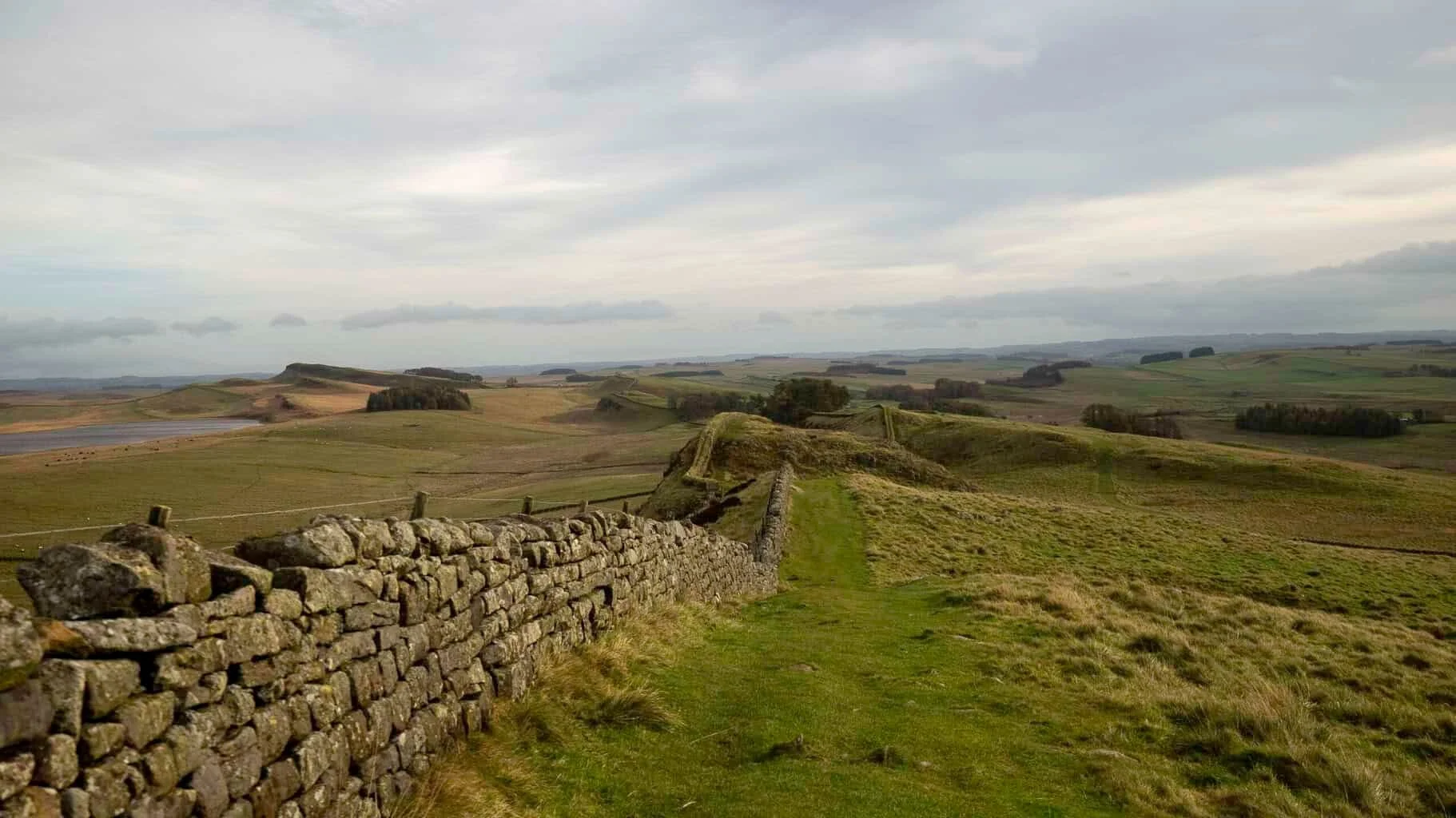
Hiking
Walk Hadrian’s Wall’s most scenic middle stretch in 3 days. Route, logistics, costs, packing list, and October trail notes.
Jun 1, 20268 min read
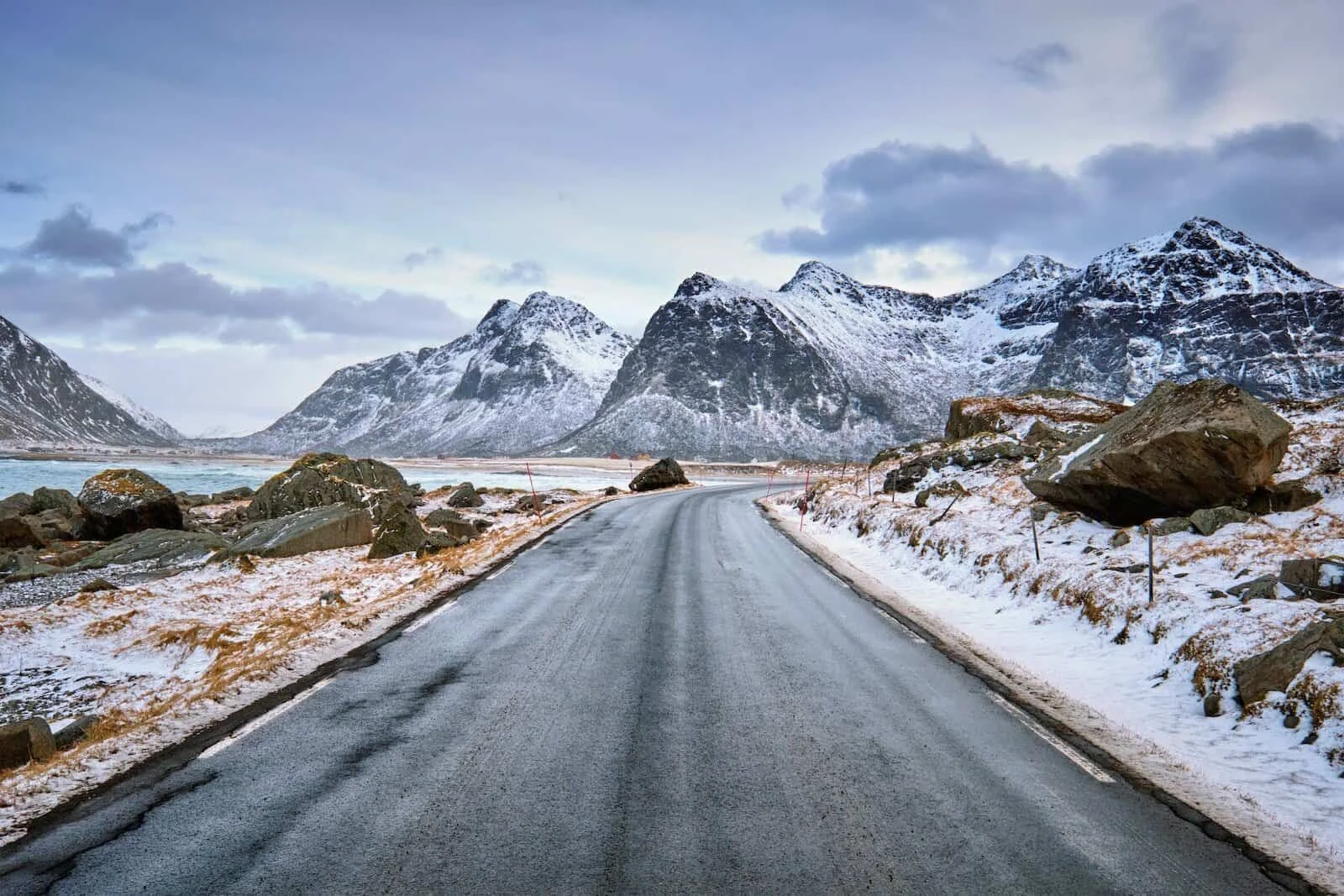
Travel Tips
Thinking about renting a car in Norway? I'll show you everything you need to know, from pointers on rental companies to cost expectations.
Sep 30, 20256 min read

Travel Tips
International travelers need an eSIM to stay connected without roaming fees. See the setup steps and what to know before you use one.
Jul 25, 20257 min read