
Cruising Japan: From Ancient Traditions to Modern Wonders
Cruising Japan offers a perspective most travellers miss when moving through the country by train. Seen from the water, the geography feels more coherent: the islands form a long arc, where major port cities sit within reach of quiet fishing towns and centuries-old temple districts. Travelling by ship creates a natural continuity between these regions. Ports such as Yokohama, Kanazawa, and Kagoshima offer access to distinct facets of the country. One day might focus on shrine complexes and preserved samurai quarters, the next on working harbours or volcanic coastlines shaped by geothermal forces.
Planning Your Route Around the Japanese Archipelago
Japan’s shape matters when deciding where to cruise. The main islands of Honshu, Kyushu, Shikoku, and Hokkaido stretch north to south, and the climate shifts noticeably along that line. Spring sailings often focus on central and southern Japan, while summer itineraries push farther north. Routes commonly start near Tokyo in Yokohama or in Osaka, then loop through the Seto Inland Sea or along the Sea of Japan coast.
Amazing small ship cruises in Japan are increasingly in demand, mainly because these vessels can dock at ports that larger ships bypass. Calls in places like Takamatsu or Sakaiminato tend to feel more local, with fewer crowds gathering at the pier and easier access to town centres. The scale of the ship shapes the experience from the moment you step ashore. Instead of long bus transfers, some ports allow passengers to walk straight into town, which makes a noticeable difference over several days.
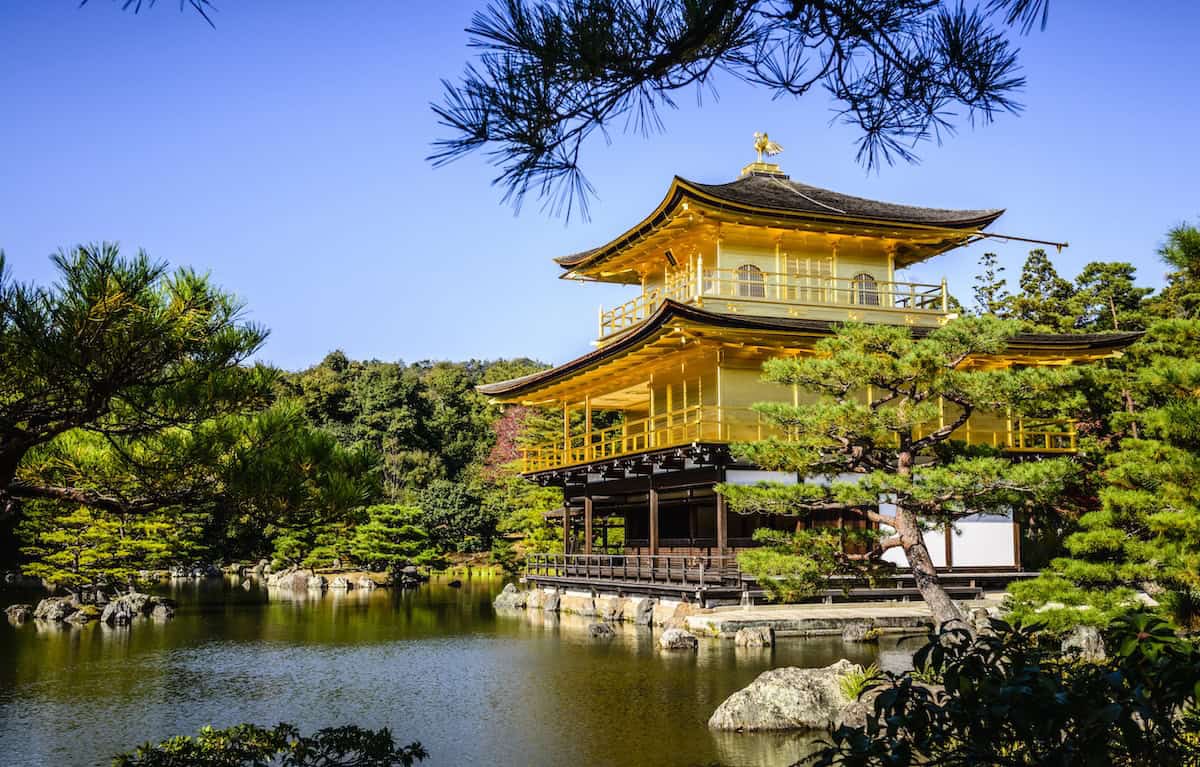
Visiting the Historic Shrines and Gardens of Kyoto
Most cruise passengers reach Kyoto from either Osaka or Kobe, typically by train. The journey takes under an hour, and once in the city, the layout is easy to navigate: a central grid framed by hills rising to the east and west. Kyoto is best experienced by focusing on specific districts rather than trying to see everything at once.
The vermilion torii gates of Fushimi Inari Taisha form a continuous path up the hillside, and arriving early helps avoid the heaviest crowds. In the northwest, Kinkaku-ji mirrors itself on the pond so precisely that it feels almost unreal, though it’s remarkably peaceful when visited early or late in the day. The minimalist design of Ryoan-ji’s Zen garden, composed solely of white gravel and fifteen carefully placed stones, often compels visitors to slow their pace and contemplate its austerity. Kyoto’s real charm lies in its details: wooden machiya townhouses in Gion, tea houses lining the Shirakawa Canal, and temple gardens that feel enclosed and contemplative.
Managing Travel Risks and Requirements for Cruise Passengers
Japan is generally safe and organised, but cruise travel adds its own logistics. Entry requirements depend on nationality, and while many visitors can enter visa-free for short stays, it’s important to confirm details before departure. Cruise lines usually handle port documentation, but passengers are still responsible for passports, visas if needed, and understanding re-entry procedures at each stop.
It’s wise to secure travel insurance for cruises, particularly in a destination where the weather can shift plans. During typhoon season, from late summer into early autumn, itineraries may change with little notice, and ports can be skipped or substituted for alternatives. Policies that specifically cover cruise interruptions, onboard medical care, and emergency evacuation are worth considering.
Japan’s healthcare system is excellent, but treatment is not free for visitors. Shore excursions may include hikes near volcanic terrain or extended walking in humid conditions, which can increase the likelihood of minor injuries or dehydration. Preparing for those practical realities allows travellers to stay focused on the experience itself, instead of worrying about the financial impact of an unexpected situation.
Coastal Landmarks and Local Heritage in Kanazawa
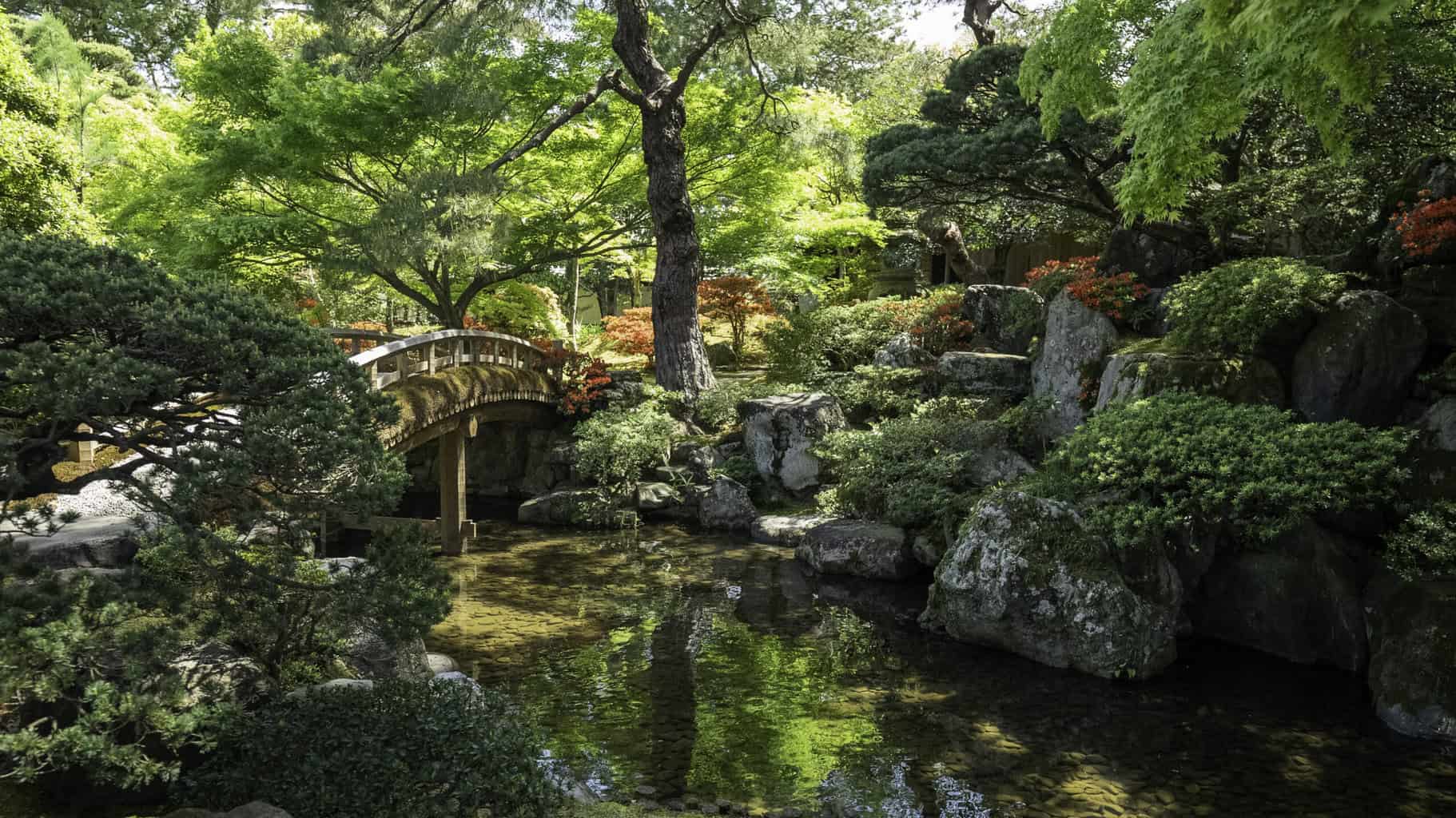
Kanazawa sits along the Sea of Japan coast and feels distinct from Tokyo or Osaka. The city avoided heavy bombing during World War II, so historic districts remain intact. From the port, buses connect easily to the centre, where Kenrokuen Garden anchors most visits. Considered one of Japan’s finest landscape gardens, it features reflective ponds, stone lanterns, and meticulously shaped pine trees. In winter, ropes are carefully tied to support the branches under the weight of snow, while in spring, cherry blossoms transform the scene, shifting the entire colour palette into soft shades of pink and white.
A short walk away, Kanazawa Castle’s white walls contrast with dark wooden gates. The nearby Nagamachi Samurai District preserves narrow lanes and earthen walls that hint at feudal-era planning. Gold leaf production is still active here, and small workshops demonstrate the process. Omicho Market provides a more grounded look at daily life, with seafood stalls selling snow crab and sweet shrimp from the nearby waters.
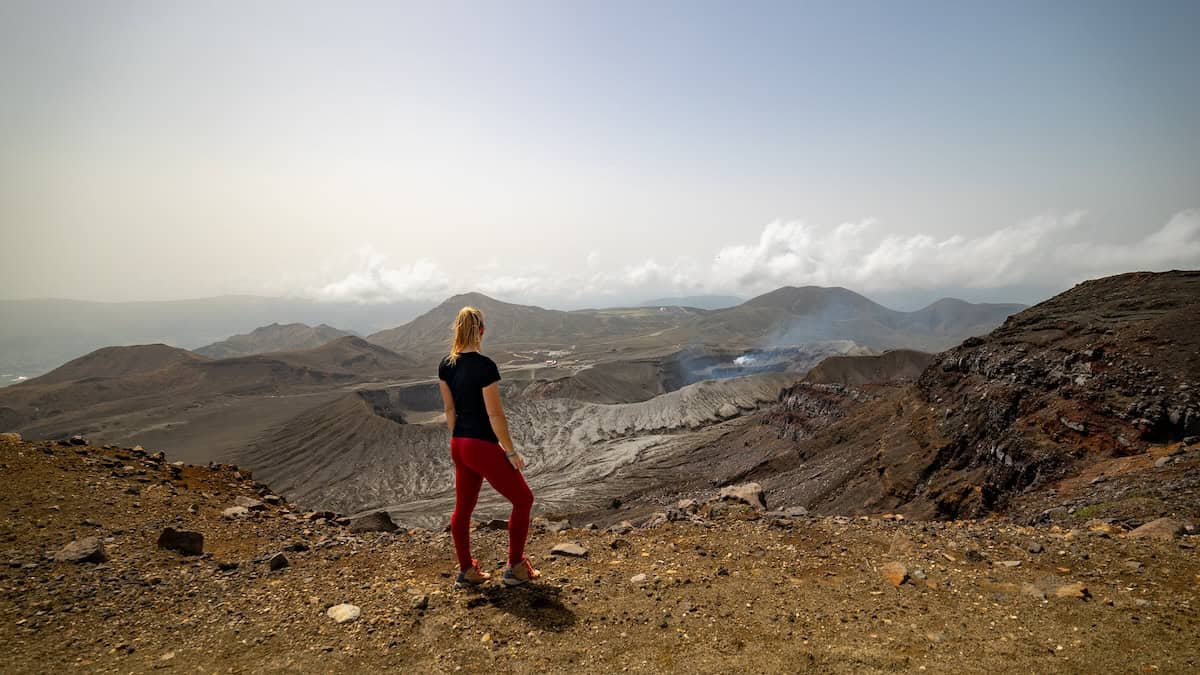
Exploring the Volcanic Peaks and Natural Beauty of Kagoshima
Kagoshima, on the southern island of Kyushu, introduces a different landscape. The city faces Sakurajima, one of Japan’s most active volcanoes. From the cruise terminal, ferries run frequently across the bay, and the short ride brings visitors close to black lava fields and steaming vents. Ash falls occasionally over the city, and locals treat it as routine, brushing it off cars and sidewalks.
Kagoshima also reflects a strong regional history tied to the Satsuma domain. The Shoko Shuseikan Museum, part of a former industrial complex, documents early modernisation efforts in the 19th century. Sengan-en Garden frames Sakurajima in the distance, integrating the volcano into its design. Day trips can extend to Kirishima National Park, where forested trails and crater lakes sit at higher elevations.
Ready to discover Japan by sea?
Cruising the Japanese archipelago offers a practical way to experience regions that feel markedly different on land, from Kyoto’s temple districts and Kanazawa’s preserved samurai quarters to the volcanic coastline of Kagoshima. The ship provides continuity, while the depth comes from stepping ashore to engage with local history, regional cuisine, and varied landscapes. Japan reveals itself in segments, and watching it unfold from the water brings those connections into clearer focus.
Pin Me


0 Comments