Beyond the Ordinary: Curating Global Bucket List Adventures
Bucket-list travel can easily slip into a routine: visit a landmark, take photos, and move on. But the trips people talk about years later usually go deeper than that. They involve real places, real logistics, and a sense of understanding how a destination actually works.
This guide looks at experiences that feel considered rather than rushed: crossing Japan by rail and ferry, trekking in the Andes beyond the usual Inca Trail route, navigating Swiss alpine passes with a private guide, exploring the fragile ecosystems of the Galápagos, and tracing Silk Road cities across Central Asia.
Bespoke Expeditions Across the Japanese Archipelago
Japan extends well beyond Tokyo and Kyoto. While most first-time visitors begin on Honshu, the country’s main island, travelling north to Hokkaido or south to Kyushu reveals a very different pace, landscape, and regional identity. In Tokyo, neighbourhoods like Yanaka still feel residential, with narrow streets and small temples tucked between homes. Kyoto’s Fushimi Inari Taisha draws crowds early in the day, but the quieter Nanzen-ji complex gives a better sense of scale and history. Bullet trains make long distance travels manageable, yet the slower regional lines reveal coastal towns and farming villages that rarely make it into highlight reels.
In Hiroshima, the Peace Memorial Park and Museum present the events of 1945 in a direct, factual way, with survivor testimonies, photographs, and preserved artefacts. A short ferry ride from the city leads to Miyajima and Itsukushima Shrine, where the torii gate stands just offshore, and deer wander through the streets. For travellers seeking a more exclusive experience, it’s worth exploring lovely Japan luxury holidays. These itineraries offer deeper cultural access, such as a private tea ceremony led by a practitioner in Kanazawa’s Higashi Chaya district or a stay in a traditional ryokan in Hakone, where onsen baths overlook Mount Fuji and evenings unfold over seasonal kaiseki meals.
High-Altitude Treks and Remote Landscapes in the Andes
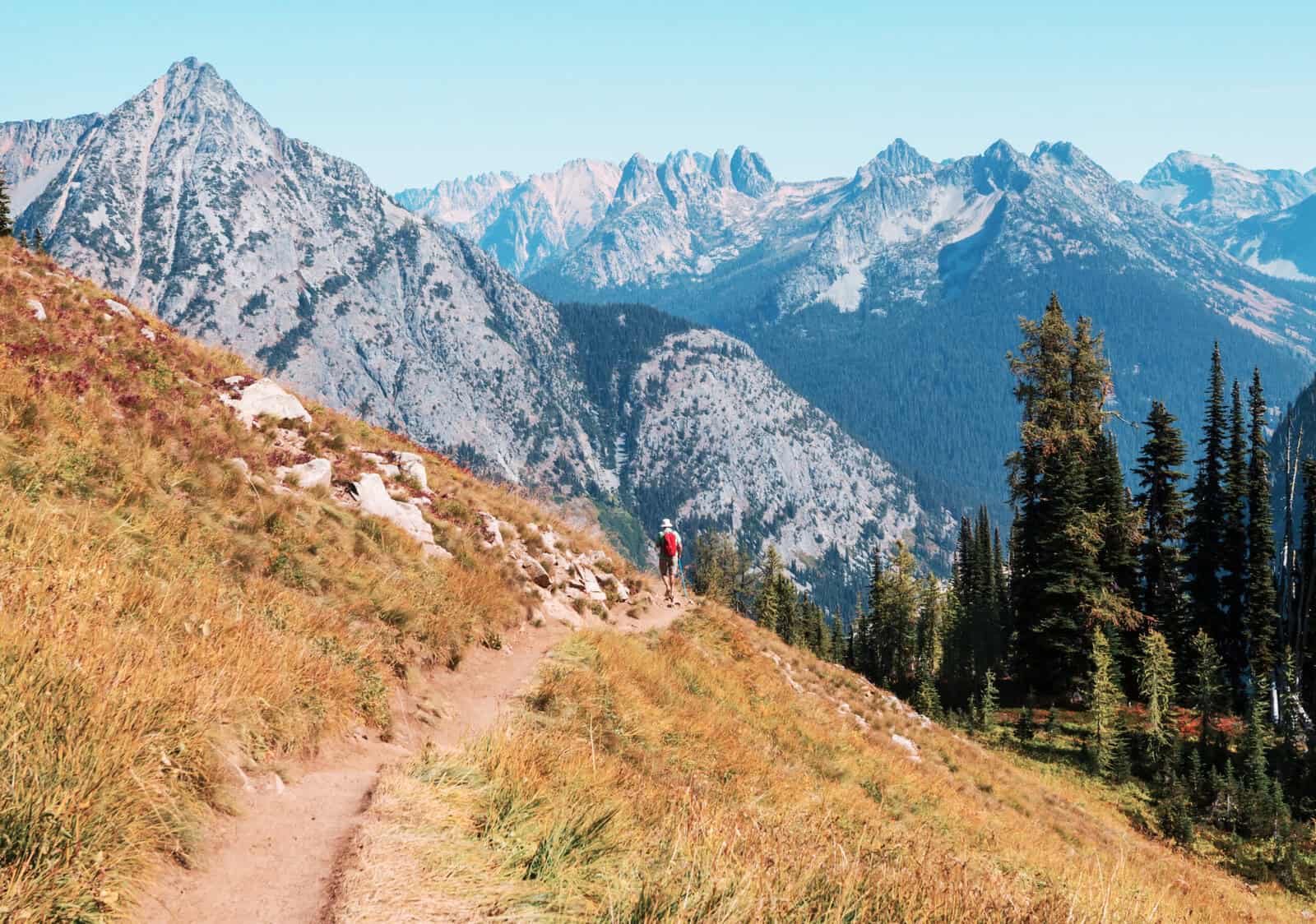
The Andes run through seven countries, and the experience shifts depending on where travellers enter the range. In Peru, Cusco remains the primary base for high-altitude treks, but Sacred Valley towns such as Ollantaytambo provide a better setting for acclimatisation before ascending further.
Further south in Bolivia, the Uyuni Salt Flats present a completely different kind of high-altitude terrain. Multi-day jeep tours cross high desert terrain dotted with flamingo-filled lagoons and geothermal fields. In northern Chile, the Atacama Desert sits at an elevation, and day trips to the El Tatio geysers begin before sunrise to catch peak steam activity. These journeys can be demanding. Trails are rocky and steep, weather systems move in quickly, and facilities become sparse once you leave the main towns. Conditions require preparation and resilience. Yet for travellers drawn to vast horizons and true remoteness, the Andes offer a sense of scale and solitude that few other mountain ranges can match.
Private Alpine Discovery and Luxury Tours in Switzerland
Switzerland may be compact, but its terrain gives each region a distinct identity. Lucerne is a natural starting point, with the Chapel Bridge and Old Town gathered along the edge of Lake Lucerne. From there, cogwheel trains ascend Mount Rigi and Mount Pilatus, opening wide views across the lake and surrounding peaks. In the Bernese Oberland, mountains rise steeply above valley villages. Grindelwald and Wengen sit beneath the Eiger, and well-marked trails connect alpine meadows with glacier viewpoints and high ridgelines.
In Zermatt, the Matterhorn commands attention, but the Gornergrat railway reveals a broader sweep of peaks and glaciers. Further east in the Engadine Valley, St. Moritz is known for winter sports, yet summer transforms the area into a network of hiking paths around clear alpine lakes and quieter mountain hamlets. While Switzerland’s rail system is precise and reliable, it’s often worth choosing to plan private tours of Switzerland to access regions and alpine passes that sit beyond the main rail corridors.
Pristine Wilderness and Marine Exploration in the Galápagos
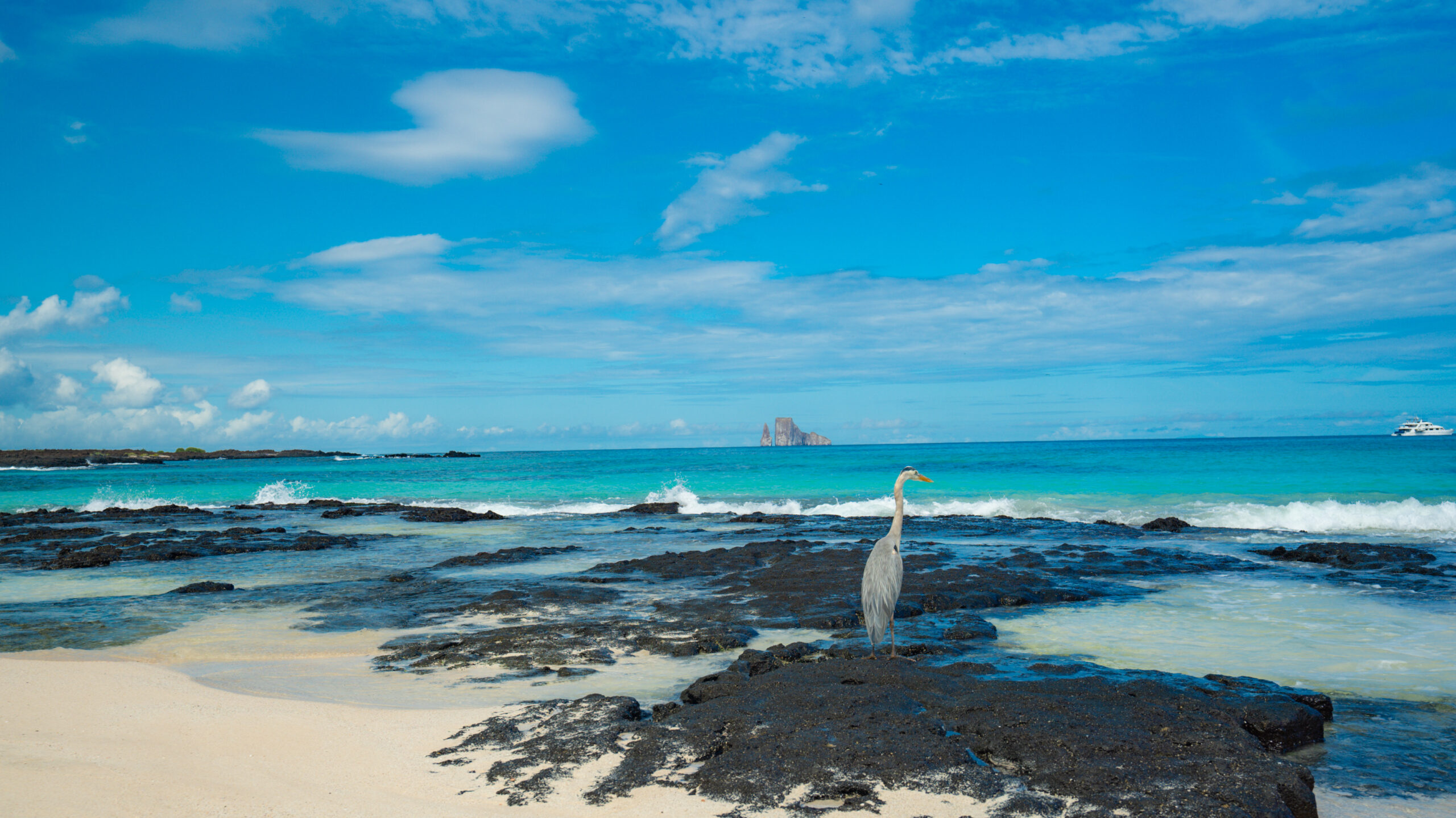
The Galápagos Islands sit roughly 600 miles off the coast of Ecuador, and access is regulated for good reason. Visitor numbers are capped, and most travellers explore via small expedition vessels that follow strict itineraries approved by the national park. On Santa Cruz Island, the Charles Darwin Research Station explains the science behind the ecosystems. Española Island is known for waved albatross colonies during breeding season, while Genovesa attracts red-footed boobies in large numbers.
Snorkelling is often the highlight. Off Isabela Island, sea turtles and reef sharks glide through clear water, and sea lions approach out of curiosity. On Fernandina, marine iguanas cluster on black lava rocks, warming themselves after feeding in cold currents. Guides are mandatory for most land excursions, and they’re trained naturalists who explain everything from volcanic geology to conservation policy.
Cultural Immersion and Sacred Sites of the Silk Road
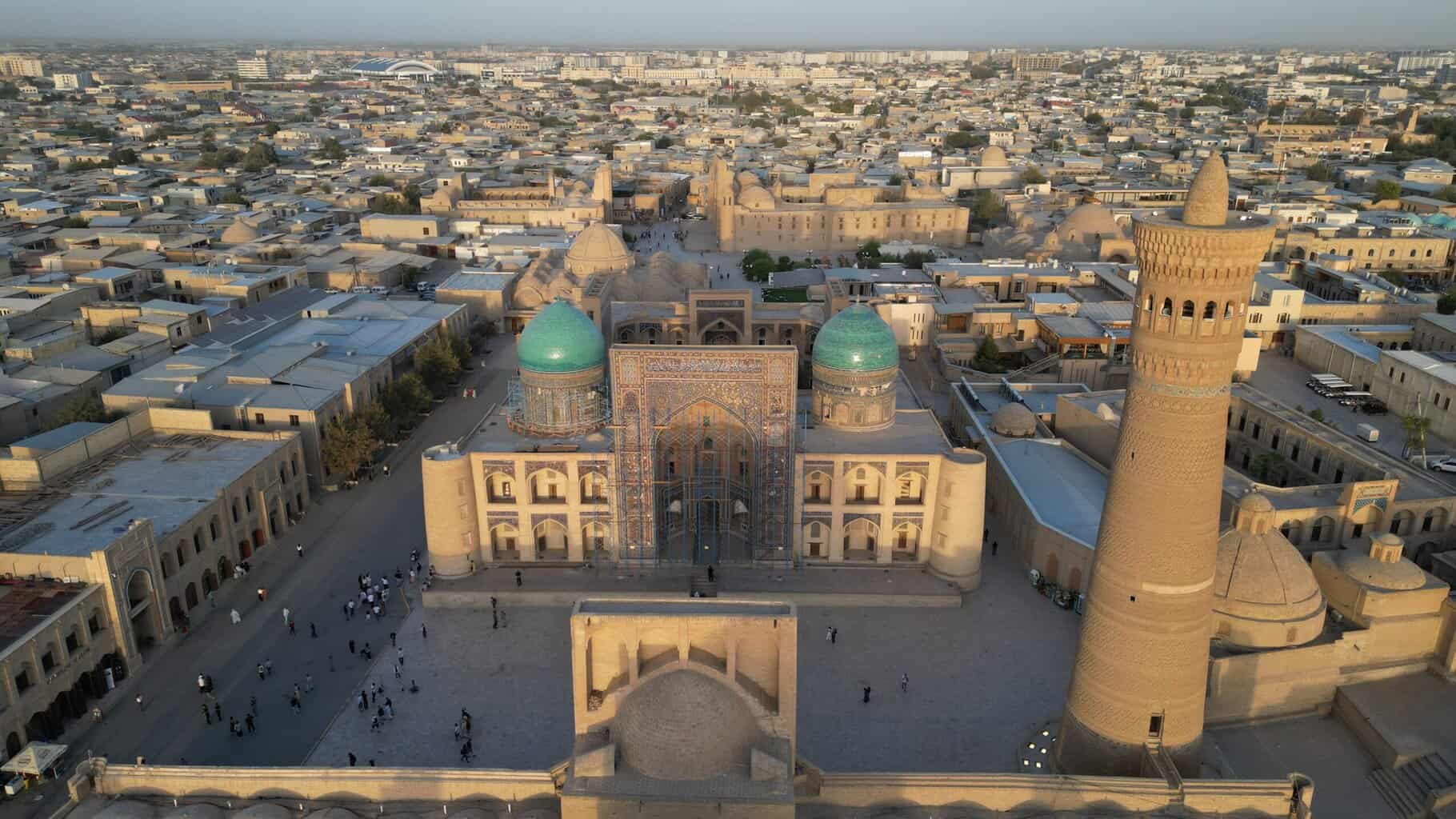
The Silk Road isn’t a single route but a network stretching from China through Central Asia to the Mediterranean. In Uzbekistan, cities like Samarkand and Bukhara anchor most itineraries. The Registan in Samarkand, with its three madrasahs, shows how trade wealth translated into architectural ambition. In Bukhara, the Ark Fortress and the Kalon Minaret speak to centuries of political and religious influence. Markets still operate in domed trading halls originally designed for merchants moving silk and spices westward.
Further east in western China’s Xinjiang region, Kashgar’s Sunday market draws traders from across the region, though modern infrastructure has changed the old caravan rhythms. In Kyrgyzstan, travellers can spend nights in yurts near Song-Kul Lake, gaining insight into nomadic traditions that predate fixed borders. Travelling across these countries calls for patience with visas, border formalities, and language differences. In return, the experience is shaped by human connections that root it firmly in each destination.
Which legendary landscape will you explore next?
Curating a global bucket list isn’t about collecting extremes; it’s about choosing destinations that withstand closer scrutiny. Japan’s layered cities and islands reveal far more to those who move beyond the headline landmarks. The Andes test physical limits while offering insight into how communities adapt to life at altitude. Switzerland’s alpine regions pair efficient infrastructure with long-established mountain traditions. The Galápagos illustrate what tightly regulated tourism can accomplish when conservation sets the terms. And along the Silk Road, cities trace the intersection of trade, religion, and architecture across continents. The real question isn’t which place appears most striking in photographs, but which landscape aligns with the kind of experience a traveller genuinely wants to understand.


0 Comments